
Car Vinyl Wrap vs. Colored PPF: The Ultimate Guide
Ready to transform your car’s look but also shield its paint? Choosing between a vinyl wrap and colored PPF is a classic style-versus-armor showdown. I’ve compared it all—from upfront cost and long-term durability to design flexibility, daily care, and resale impact—so you can skip the confusion. Let’s break down which film truly matches your goals, budget, and driving life, and get you rolling with confidence.
1. The Core Mission: Cosmetic Change vs. Paint Armor
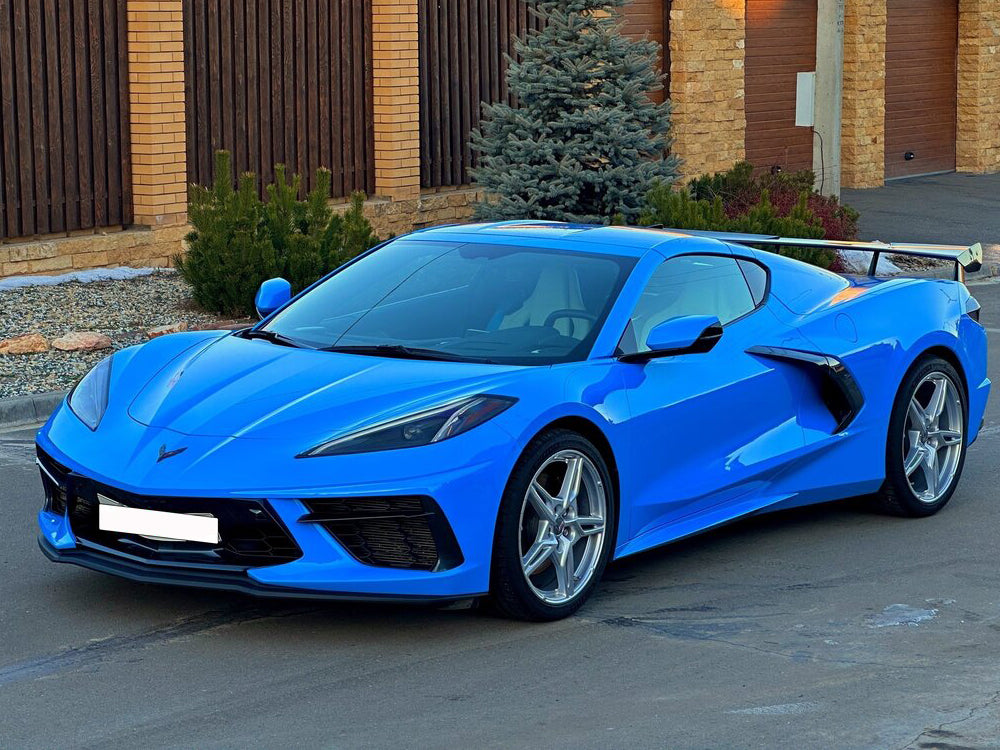
This is the most fundamental difference, and it dictates everything else. Car wrap vinyl has one primary job: to change the appearance of your car. It’s a thin, PVC-based film that comes in thousands of colors, textures (gloss, matte, satin, chrome), and even printed graphics. It’s a cosmetic layer. Colored PPF, however, is a hybrid. Its core DNA is that of traditional clear PPF—a thick, self-healing thermoplastic polyurethane film designed to absorb rock chips and scratches. They’ve just added color or a tinted top coat to it. So, its mission is dual: protect your paint andchange its color. Think of vinyl as a new, removable paint job. Think of colored PPF as a super-powered, colored bra for your entire car.
2. Durability & Lifespan: How Long Will Each Really Last?
This is where the materials show their true colors. A premiun high quality car film, if install it professinally and do good miantainence, the durability usually can lasts 3-5 years. After that, the nature factors like UV exposure, acid rain, and Inappropriate car washes will cause the vinyl color fade, crack, or brittle, then making it more difficult for remove. Colored PPF is built to endure. It’s engineered to withstand years of punishment. You can expect a lifespan of 7 to 10 years, or even longer, for a premium installation. Its UV inhibitors are more robust, and its self-healing top coat repairs fine swirls and scratches with heat (from the sun or hot water). In the race against time, PPF is the marathon runner.

3. The Price Tag: Upfront Cost and Long-Term Value
Let’s talk numbers, because this often decides everything. Generally, for a full vehicle application, a premium vinyl wrap will be less expensive upfront than a colored PPF job. You might be looking at a range of $2,500 to $5,000+ for vinyl, depending on material quality and vehicle complexity. Colored PPF is a significant investment, often starting around $5,000 and easily reaching $8,000+ for a full car. Why? The film itself is far more expensive, and the installation requires even greater skill. However, consider long-term value. If you plan to keep the car for many years, PPF’s extended lifespan and paint protection can preserve your car’s resale value, potentially making it more cost-effective per year. Vinyl is a lower-entry transformation; PPF is a long-term protective investment.
4. Defense Rating: Scratch, Chip, and UV Protection Compared
How well do they actually guard your paint? This is PPF’s home turf. Vinyl offers minimal physical protection. It can guard against very light scratches and sun fading, but a decent rock chip will tear right through it. Its main protective value is concealing the paint underneath from UV rays and minor wear. Colored PPF, on the other hand, is a fortress. It’s specifically designed to absorb the impact of road debris, preventing chips and dings from reaching your factory paint. Its self-healing properties mean highway driving and light brush-ups won’t leave permanent marks. If your daily drive involves highways or gravel roads, PPF’s protective superiority is not even a contest.

5. The Design Playground: Colors, Finishes, and Customization
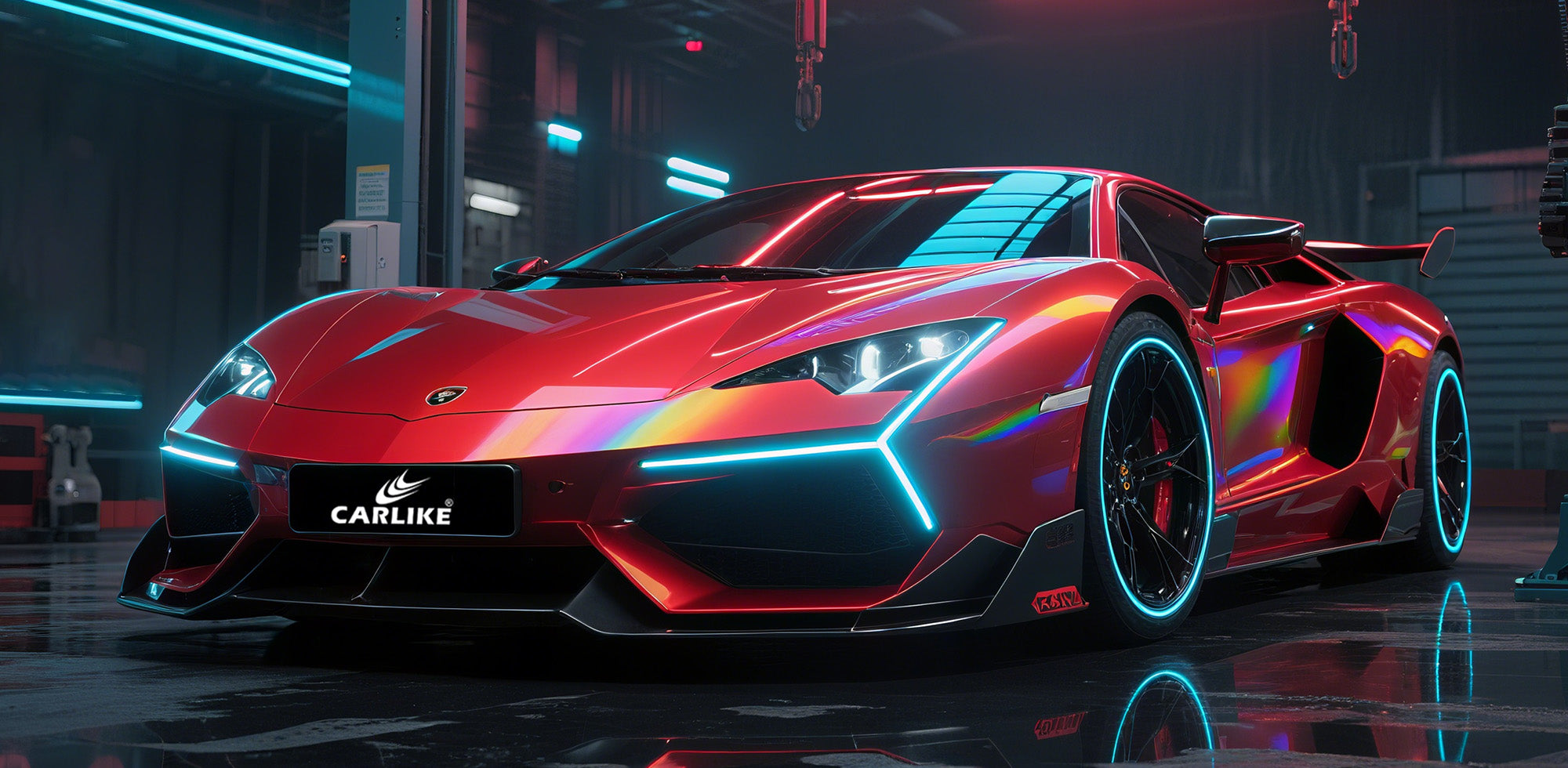
This is where vinyl wrap absolutely shines. The variety is virtually limitless. You want a matte lime green, a carbon fiber pattern, a full-print camouflage, or a color-shifting chrome? Vinyl has it. It is the ultimate tool for personal expression and bold style statements. Colored PPF is catching up but is more limited. Your choices are typically confined to popular solid colors and a selection of matte or satin finishes over standard hues. The technology for complex patterns or wild color shifts in true PPF is still emerging. If having a unique, head-turning finish is your top priority, vinyl is your undisputed champion.

6. The Removal Process: What Happens in 5 Years?
All films are sold as "removable," but the reality depends heavily on time, climate, and film quality. Gennerally, after few years, when you plan to remove vinyl from car piant, it will become difficult. it may tear in sevaral parts, leave ahesive residue, or in the worst suituation, some poor quality film and Inappropriate installation will casue the damage the car paint. so it will require more careful, paitient removal, with heat and adhesive removers. However, for the high quality TPU color PPF, which will be more easier and safer for the removal. Because it’s more stable and uses different adhesive technology, a professional should be able to remove it after a decade with little to no residue and absolutely no damage to the pristine factory paint underneath—which was the whole point of putting it on.

7. Daily Driver Reality: Ease of Care and Maintenance
This cannot be overstated: the installer is as important as the film itself. A bad install dooms even the best material. For vinyl, the installer must have a flawless technique to avoid seams, wrinkles, and “finger” marks around complex curves. For colored PPF, the stakes are even higher. The film is thicker, less stretchy, and much more expensive. It require installer has more proffesional skill in handle the stretching and seaming job, to ensure the perfect alignment, especially any slight lifting or dirt will be obvious. when choose the installer, be attention to their experience and reputation, which is the most important factor, not just consider the price.
8. The Decision Matrix: Which Film Matches Your Car's Life?
Let’s make it personal. Choose Car Wrap Vinyl if:
- Your main goal is a dramatic, stylish color change for a few years.
- You’re on a tighter budget for the initial project.
- Ultimate paint protection is not your primary concern.
- You want a finish (gloss colors, wild textures/prints) that PPF doesn’t offer.
- You lease your car or plan to sell it within 3-5 years.
Choose Colored PPF if:
- Protecting your factory paint’s value and condition is your #1 priority.
- You’re willing to invest significantly upfront for a 7-10+ year solution.
- You drive frequently in conditions where chips and scratches are likely.
- You want a color change but can’t bear the thought of any damage to the paint beneath.
- You plan to keep the car long-term and want the easiest, most durable finish to maintain.
So, which is the winner? It’s all about your priority. Choose vinyl for stunning, affordable transformation. Choose colored PPF for ultimate, long-term protection with a color change. Invest in a great installer, and you can’t lose. Now, go give your car the upgrade it deserves
1. Q: Which costs more, a vinyl wrap or colored PPF?
A: A vinyl wrap is almost always the more affordable option upfront. A full colored PPF job is a significant investment, often costing 2-3 times more, due to the expensive, protective film and highly skilled installation required.
2. Q: Does a vinyl wrap protect my paint like PPF does?
A: No, not in a meaningful way. While vinyl can protect against very light scratches and UV rays, its primary job is cosmetic. Colored PPF is specifically engineered to be a sacrificial layer that absorbs rock chips and scratches, offering serious paint protection.
3. Q: How long can I expect each one to last?
A: You can expect a professionally installed vinyl wrap to last 3 to 5 years. Colored PPF is built for the long haul, with a typical lifespan of 7 to 10+ years thanks to its durable, self-healing top coat and superior UV resistance.
4. Q: Which one has more color and finish options?
A: Vinyl wrap wins on variety hands down. It offers thousands of options, from standard gloss and matte to chrome, color-shift, and custom printed graphics. Colored PPF offers a more curated, but growing, selection of popular solid colors and finishes.
5. Q: Is it true that both are removable without damaging the paint?
A: When high-quality film is professionally installed and removed within its expected lifespan, yes. However, an old or low-quality vinyl wrap can become brittle, tear, and leave adhesive residue. High-end PPF is designed for a cleaner, safer removal, leaving the protected factory paint perfect underneath.