
Table of contents
Chrome laser car wrap looks incredible, but it leaves no room for mistakes. I wrote this guide to share how I actually install chrome laser car wrap in a real wrapping shop, from proper surface prep and tool setup to controlling heat, stretch, and handling marks. I also cover working on curves, clean trimming, post-heating, and the most common installation mistakes—so you can get a clean result without wasting film.
Ready to master chrome laser car wrap?
Save this guide, apply these techniques on your next install, and start delivering cleaner, premium finishes that set your wrapping shop apart.
Stop wasting chrome laser vinyl on avoidable mistakes.
Use these installation tips on your next job and turn a difficult material into one of your shop’s most profitable upgrades.
Want better results with chrome laser car wrap installs?
Put these real-world techniques into practice today and give your customers the flawless, eye-catching finish they expect.

What Makes Chrome Laser Car Wrap Different From Standard Vinyl
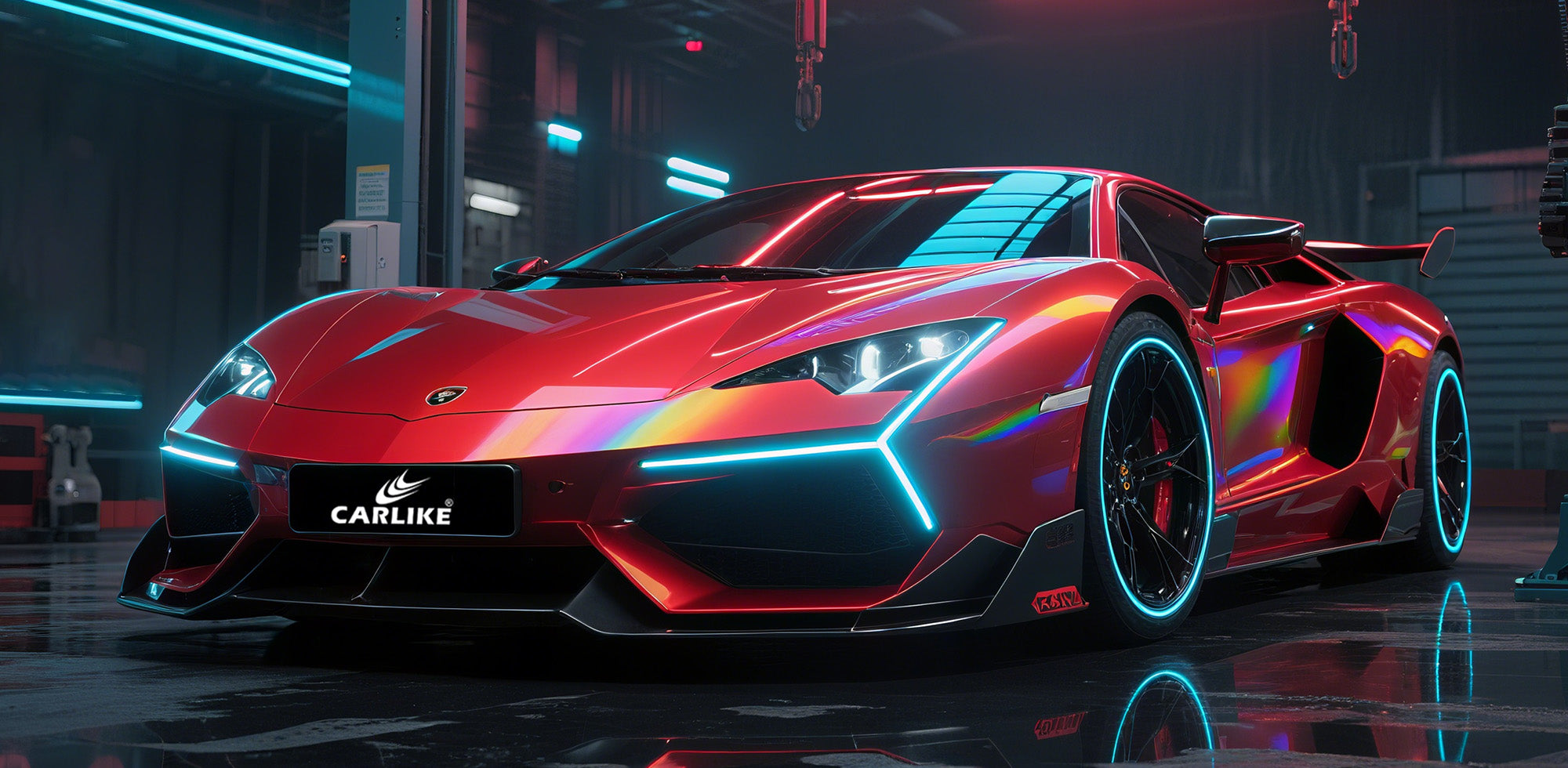
Chrome laser car wrap behaves very differently from cast color-change vinyl. The surface layer is much more sensitive, and the reflective chrome laser finish shows every stretch mark, scratch, and fingerprint. I never treat chrome laser car wrap like normal vinyl because once the top layer distorts, it does not recover. This material has lower stretch tolerance, stronger visual memory, and higher surface tension, which means mistakes become obvious under light. Understanding these differences helps avoid overworking the film and ruining the finish early in the install.
Tools I Always Prepare Before Installing Chrome Laser Car Wrap
Before I even touch the film, I prepare all tools to reduce handling time. I always use felt-edge squeegees, wrap gloves, a temperature-controlled heat gun, sharp snap-off blades, and clean microfiber towels. I never use hard plastic squeegees directly on chrome laser car wrap because they scratch easily. Having everything ready allows me to install faster and with fewer touch points, which keeps the surface clean and reflective.
Surface Prep Tips That Prevent Glue Marks on Chrome Laser Car Wrap
Surface prep matters more with chrome laser car wrap than with almost any other film. I clean the panel thoroughly, then do a final wipe with isopropyl alcohol to remove oils, wax, and residue. Any contamination can create glue marks or adhesion failure that becomes visible through the chrome finish. I also make sure the panel temperature is stable before installation because cold or overheated panels cause uneven adhesive bonding.
How to Control Stretching on Chrome Laser Car Wrap
Stretch control is critical when working with chrome laser car wrap. I never pull the film aggressively or try to force it into shape. Instead, I rely on gentle tension, controlled heat, and proper panel planning. Overstretching permanently distorts the chrome laser pattern and dulls the finish. When I feel resistance, I stop, relax the film, and reset rather than pushing forward.

Ideal Heat Settings for Chrome Laser Car Wrap Installation
Heat must be used carefully with chrome laser car wrap. I keep the heat gun at a lower setting compared to standard vinyl and always move it continuously to avoid hot spots. Too much heat softens the top chrome layer and causes texture changes or discoloration. I heat only enough to allow light conformity, especially around edges and curves, and I constantly check surface temperature by touch.
How I Avoid Finger Marks and Scratches on Chrome Laser Car Wrap
Finger marks and scratches are one of the biggest frustrations with chrome laser car wrap. I always wear clean wrap gloves and avoid touching the surface directly. I remove the liner slowly and control where the film lands to prevent accidental contact. I also clean my squeegee edges often because even tiny debris can leave visible scratches on the chrome finish.
Laying Chrome Laser Car Wrap on Curves and Complex Panels
Curves and complex shapes require patience with chrome laser car wrap. I work in small sections and let the film relax naturally into shape instead of forcing it. On deep curves, I use controlled heat and micro-adjustments rather than stretching the whole panel at once. If a section looks stressed, I lift it immediately and reset before the damage becomes permanent.

Cutting and Trimming Chrome Laser Car Wrap Without Damaging It
Clean cutting is essential because chrome laser car wrap shows every blade mistake. I always use fresh blades and light pressure when trimming edges. I never drag a dull blade across the surface because it leaves scratches that cannot be fixed. For tight areas, I angle the blade away from the film surface to protect the chrome layer while still getting a clean cut.
Post-Heating Chrome Laser Car Wrap for Long-Term Hold
Post-heating locks the film into place and prevents edge lifting. With chrome laser car wrap, I post-heat carefully and evenly, focusing on edges, recesses, and stretched areas. I never overheat because that can dull the finish. Proper post-heating ensures the adhesive sets correctly without damaging the reflective surface.
Common Chrome Laser Car Wrap Installation Mistakes and Fixes
The most common mistakes I see include overstretching, using too much heat, skipping proper prep, and rushing the install. When I notice early signs of distortion or marks, I stop immediately and fix the issue before moving forward. Chrome laser car wrap punishes shortcuts, but when handled correctly, it delivers a premium finish that customers love.
Chrome laser car wrap rewards patience and punishes shortcuts. When I slow down, prep the surface properly, control heat and stretch, and protect the finish at every step, the material becomes much easier to manage. This install style takes more time than standard vinyl, but the clean reflections and sharp laser effect always make it worth the effort. If you treat chrome laser car wrap with respect and install it deliberately, you can deliver a premium result that truly stands out and lasts.

Is chrome laser car wrap harder to install than standard vinyl?
Yes. Chrome laser car wrap has lower stretch tolerance and a very sensitive surface. It shows fingerprints, scratches, and overstretch marks much faster than standard cast vinyl, so it requires slower handling and better control.
Can I stretch chrome laser car wrap like regular vinyl?
No. I avoid aggressive stretching completely. Too much stretch permanently distorts the chrome laser effect and dulls the finish. Light tension and controlled heat work much better.
What temperature should I use when installing chrome laser car wrap?
I use lower heat than normal vinyl. Excess heat damages the top chrome layer and causes discoloration or texture changes. Slow heating with constant movement is the safest approach.
Why does chrome laser car wrap show glue marks so easily?
The reflective surface highlights any contamination under the film. Oils, wax, or poor surface prep cause adhesive marks that become visible immediately, especially under direct light.