
Table of contents
Fix what already bothers you before installing Paint Protection Film
Inspect your paint under good lighting, not in shade
Choose protection based on your expectations, not just budget
Paint Protection Film protects your paint but won’t hide scratches or swirl marks. In this post, I’ll break down what the film can and can’t do, when paint correction makes sense, and what I check before installing it—so you can decide if your paint is ready or needs a little love first.

What Paint Protection Film Really Does to Your Paint
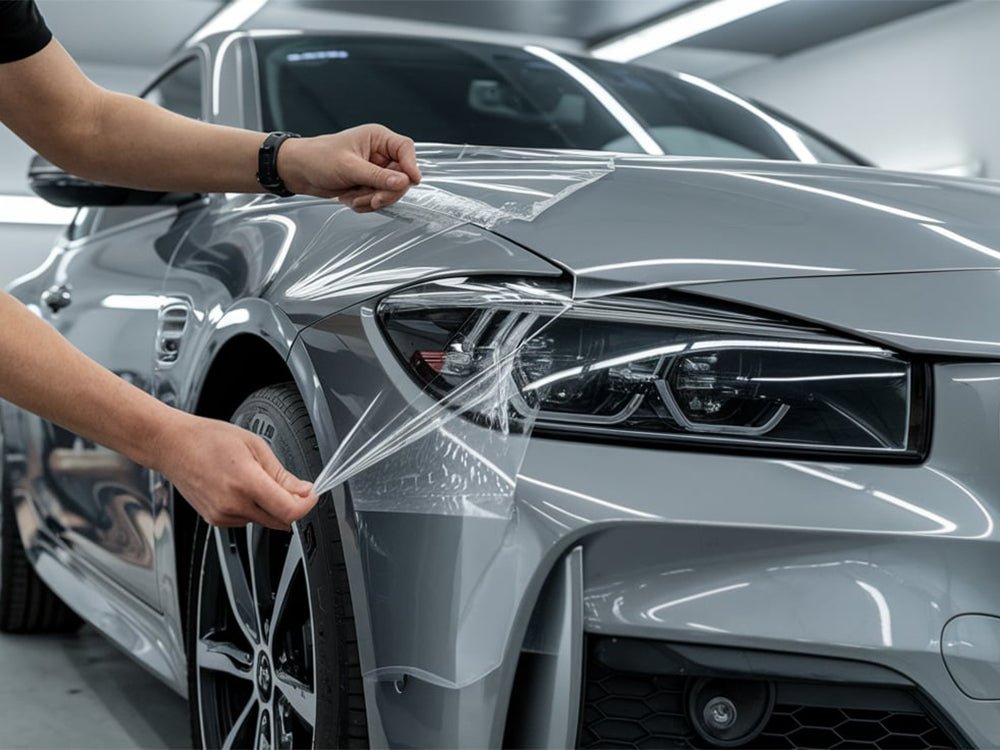
Paint Protection Film works like a clear shield. I install it to protect paint from stone chips, light scratches, road salt, and bug damage. It keeps the surface from getting worse, but it does not improve how the paint looks. If the paint already has swirl marks or scratches, Paint Protection Film will not hide them. Instead, it locks the current paint condition in place. That’s why understanding what Paint Protection Film actually does matters before installation.
Can Paint Protection Film Hide Scratches and Swirl Marks?
This is one of the biggest misunderstandings I see. Paint Protection Film does not hide scratches or swirl marks. Clear film looks glossy, so some defects may look slightly softer, but they never disappear. Once I install the film, every scratch under it stays visible. In direct sunlight, those marks often stand out even more. If someone expects Paint Protection Film to fix bad paint, they usually feel disappointed afterward.
How Paint Condition Affects Paint Protection Film Results
Paint condition controls the final look more than the film itself. Smooth paint gives smooth results. Swirled or scratched paint gives swirled or scratched results—just with protection on top. I always tell customers that Paint Protection Film shows everything underneath it. The better the paint looks before installation, the better the car looks after. Film quality matters, but paint condition matters more.

When Paint Protection Film Installation Needs Paint Correction
Paint correction makes sense when the paint has visible swirl marks, light scratches, or oxidation. If I see damage that bothers the owner now, it will bother them even more after film installation. In those cases, I recommend correction before installing Paint Protection Film. Correcting the paint first gives the film a clean surface and gives the owner a finish they can enjoy for years.
Installing Paint Protection Film on New vs Used Cars
New cars still need inspection. I often see swirl marks from dealership washing or transport damage. Many new cars look clean from far away but show defects under lights. Used cars almost always need some level of correction. The paint has history. Installing Paint Protection Film on used paint without correction usually means sealing in years of wear. That rarely makes sense if appearance matters.
Common Paint Defects Paint Protection Film Cannot Fix
Paint Protection Film cannot fix scratches, chips, water spots, faded clear coat, or oxidation. It also cannot level uneven paint. If I install film over damaged clear coat, the damage still shows through. Film protects; it does not repair. Anyone expecting repair from Paint Protection Film misunderstands its purpose.

Will Paint Protection Film Lock in Paint Imperfections?
Yes, 100%. Once I install Paint Protection Film, whatever sits underneath stays there. Removing the film later will not fix the defects either. That’s why I push people to decide before installation. If a scratch already annoys someone, Paint Protection Film will not make it disappear. It will just preserve it.
Cost Difference: Paint Protection Film With or Without Correction
Skipping paint correction costs less upfront, but it can cost more in regret. Paint correction adds to the total price, but it also adds value to the result. When I install Paint Protection Film over corrected paint, the finish looks cleaner and more premium. Most people who choose correction feel happier long term. Those who skip it often ask about fixing paint later, which costs more.
What Wrapping Shops Check Before Paint Protection Film Installation
Before installation, I check swirl marks, scratches, chips, and clear coat condition. I also look at panel edges and repainted areas. Paint Protection Film sticks best to clean, healthy paint. If I see defects, I explain them clearly. I never promise miracles. I want the customer to know exactly what the film will and will not do.

How to Decide If Your Paint Is Good Enough for Paint Protection Film
I keep it simple. If the paint already looks good to you and defects do not bother you, Paint Protection Film alone may work. If scratches catch your eye every time you look at the car, paint correction makes sense. I always recommend fixing what annoys you before sealing it under film. That choice usually prevents disappointment later.
Paint Protection Film works best when the paint underneath already looks good. I always remind people that the film protects what’s there—it doesn’t fix mistakes or hide damage. If your paint looks clean and defects don’t bother you, installing Paint Protection Film alone can make sense. If scratches and swirl marks already catch your eye, paint correction before installation usually feels like the smarter move. In the end, the right choice depends on how you want your car to look every time you walk up to it. Fix what bothers you first, then protect it properly, and you’ll enjoy the result a lot more.
Do I need paint correction before installing Paint Protection Film?
Not always. If the paint already looks good and defects don’t bother you, you can install Paint Protection Film directly. If the paint has swirl marks or scratches you don’t like, correcting it first makes more sense.
Can Paint Protection Film hide scratches or swirl marks?
No. Paint Protection Film does not hide defects. It sits on top of the paint and shows whatever is underneath it.
Will Paint Protection Film make my paint look better?
It can make paint look glossier and cleaner, but it won’t improve damaged paint. The film enhances good paint, not bad paint.
Is paint correction required for new cars before PPF?
Not required, but often recommended. Many new cars already have swirl marks from transport or washing. I always inspect before installation.