
Table of contents
Film quality (invest in reputable brands)
Installation skill (choose experienced professionals)
Environmental conditions (garage parking helps)
Maintenance habits (regular gentle cleaning)
When you already installed the Paint Protection Film for your car, and you also will think about how long does that protection last? To be honestly, there's no single expiration date. Your PPF's lifespan is up to you, and also determined by some key factors. In this post, I’ll walk you through what determines its longevity.We’ll start with what PPF is made of, then dive into the five biggest factors that decide its lifespan—from the brand you pick to the installer’s skill. I’ll also cover how your parking habits and cleaning routine make a huge difference, how to spot the signs it’s time for a change, and finally, how it stacks up against ceramic coating as a long-term investment.Stick with me to learn the real story behind your PPF’s lifespan.

What Exactly is Paint Protection Film Made Of? (It’s Not Just Plastic!)
Let’s start with the basics because what something is made of tells you everything about how it will perform.
The top layer is clear thermoplastic polyurethane (TPU) film. For this material as a super durable, flexible skin. The most of the ppf is in transparent, which is the layer that’s designed to self healing. That’s right. Light swirl marks and fine scratches from washing literally disappear with a little bit of heat—either from the sun or from warm water. It’s like magic for your paint.
For the film under the top transparent film, which is give the paint protection film strength and flexibility. In order to absorb impacts from small rocks and debris. For the glue on the bottom with the super strong tack, can do removable and pressure sensitibe adhesive. For the good quality adhesive can stick on the car paint well and no cause the bubble, also no damage the car original paint after you tearing off the vinyl after few years. So, when you’re looking at PPF, you’re not looking at a simple sticker; you’re looking at a marvel of engineering designed specifically to take a beating.
The 5 Key Factors That Determine Your Paint Protection Film's Lifespan
This is the core of the whole discussion. I see people online asking for a single number, but it’s like asking "How long does a car last?" It depends entirely on howyou use it. Based on my experience, these five factors are the biggest players:
- Film Quality: This is number one for a reason. A cheap, generic film might yellow in a year and become brittle.For a high quality Paint Protection Film is can do better UV inhibitors, stronger elastomers, and also have a good stable adhesive, and for the warranty can do 7-10 years.
- Installation Quality: Improper installation can ruin a good quality paint protective film. If the edges cannot wrap well, dirt,mositure and water will go into the film, which is will cause the paint protection film to peel and lift. If stretched the paint protection film too much in installation, will cause it weaken and casue the effect fail prematurely.
- Environmental Conditions: Where you live and park is a huge deal. A car that is parked in the hot sun all day will have a very different lifespan than one that is parked in a cool garage with a moderate temperature.Continuous UV exposure is a major hazard to cars, accelerating wear. Road salt, tree sap, and industrial dust are also major contributors to the aging of car films.
- Maintenance Habits: How you wash your car directly impacts your PPF. If you are using harsh cheicals or automatic car washes with damage of the paint protection film, and also will scratch and make the film lost shin and degrade its performance. If you wanna to make the paint protective film can use in long last that you need to take good care for it.
- Driving Habits: Do you mostly do calm highway driving, or are you constantly on gravel roads or behind large trucks on the interstate? The amount and intensity of impacts your film absorbs will affect its long-term appearance. More frequent, heavier impacts will take their toll.
How Long Can You Expect Your Paint Protection Film to Last? (Realistic Timelines)
- Economy/Low-End Films: These might last 2-3 years . They often lack strong UV protection and can yellow or become brittle relatively quickly. They’re a short-term solution.
- Mid-Range Professional Films: This is where most quality installations fall. You can confidently expect 5 to 7 years of solid protection. The film will hold up well with proper care.
- High Quality Self Healing Paint Protection Film: like 3M and Carlike and so on. These films often come with warranties of 10 years . With perfect installation and meticulous maintenance, I’ve seen them look fantastic even beyond that point.
For a 10 years warranty doesn't mean the film cannot use on the 11 year, which is means the manufacturer is very confisent in their product that they can offer 10 years warranty no yellowing, staining and cracking.

Does the Brand of Paint Protection Film Affect Its Longevity?
In a word, absolutely. Different brands use different chemical formulas and manufacturing processes. It’s the difference between a no-name brand from an online marketplace and a trusted, proven product.Top brands invest heavily in research and development. They’ve perfected their adhesive systems to be strong but residue-free upon removal. They’ve developed proprietary top coats that offer superior self-healing and stain resistance. They use higher-grade raw materials that are more resistant to yellowing from UV exposure.When you choose a reputable brand, you’re not just buying the film; you’re buying the years of engineering behind it. For a cheaper and unbranded paint protection flilm is might looks cost effective and looks okay for a few months, but they cannot offer the warranty and the Paint Protection Film also cannot do a long last
How Installation Quality Impacts the Lifespan of Your Paint Protection Film
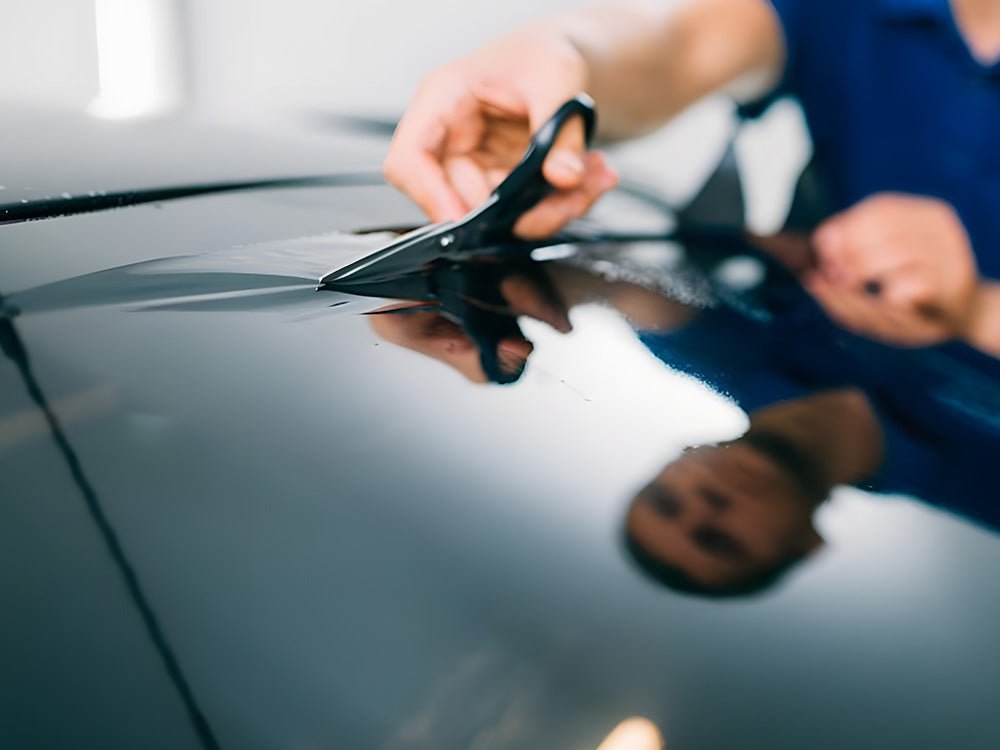
Install with the incorrect way will cause the paint protection film shorten it life. Eventhough a speck of dust get into the film, also will cause the paint protection film peel from the edges.
And those edges are everything.If you don't use the correct finishing method to finish them from the outside in, and use the correct tools to close the edge film and gaps, they will get dusty and start to warp. Once an edge lifts that cannot stick it again. Water and grime get underneath, and suddenly you're looking at replacing a whole section way before you should have to.
So why the professinal installer they work in a super clean space to install the paint protection film, because of they know how to prepaper your paint, and will do the correct installation to do the heat and stretch to apply it, not just slapping on a film.
The Role of Maintenance in Extending Your Paint Protection Film's Life
Paint Protection Film looks very tough but also need to protect the protection film well. Because of the Paint Protection Film will get the damage like acid rain, guano, tar and so on. If keep them always left on the car Paint Protection Film, they will damage the Paint Protection Film surface and dull the gloss. Pls keep to use a sof and clean towel to clean it, and also can add the ceramic coating on top of the paint protection film, which will make more easier to wash and can help repel contaminants, and keep the Paint Protection Film clear.
Garage Parking vs. Street Parking: How Environment Affects Paint Protection Film
This is a simple but massive factor. A garage is your Paint Protection Film’s best friend. It shields the film from its two biggest enemies: UV radiation and environmental fallout.
- UV Radiation: Constant sun exposure is like putting the film through a slow-bake cycle. It’s the primary cause of yellowing and degradation over many years.
- Environmental Fallout: Tree sap, bird droppings, and industrial pollution are acidic. If left on the Paint Protection Film, they can cause permanent staining or etching. A garaged car simply isn’t exposed to these elements nearly as much.
A car that is street-parked 24/7 will age faster, there’s no way around it. The PPF is doing its job—taking the abuse so your paint doesn’t have to—but its lifespan will be shorter than that of a garaged vehicle.

Recognizing the Signs: When is it Time to Replace Your Paint Protection Film?
Paint Protection Film doesn’t just fail overnight. It gives you signs. Here are some things to note:
- Yellowing : This occurs when the paint protection film loses its gloss clear luster and takes on a yellowish or tinted hue. This is most noticeable on white cars, but a slight yellowing is normal over the life of the car.
- Orange Peel: in the incorrect installation can cause a permanent orange peel texture to form on the Paint Protection Film surface.
- Brittle or cracked the paint protection film: If the Paint Protection Film becomes dry and brittle, it may cause it begin to crack, especially around edges and curves.
- Flaking & lifting: If the paint protection film lifts for the whole piece, it may need to be replaced.
- Loss of self healing: The paint protection film cannot repair minor scratches with heat, indicating that the film need to change the new one.
If you notice these signs, the paint is no longer providing optimal protection or appearance and requires professional removal and replacement.
Paint Protection Film vs. Ceramic Coating: A Lifespan Comparison
- Paint Protection Film (PPF): This is a physical, thick barrier. Its main job is impact resistance —stopping rock chips, scratches, and abrasions. Its lifespan is measured in years (5-10+) .
- Ceramic Coating: This is a liquid chemical polymer that bonds to your paint (or PPF). Its main job is chemical resistance and ease of cleaning —it brilliantly protects against UV, bird droppings, tree sap, and makes your car incredibly easy to wash. Its lifespan is also measured in years, but typically 2-5 years for a professional application.
The best combination? I always recommend applying a ceramic coating on topof your Paint Protection Film.
The Paint Protection Film can hadle the physical impacts, and the ceramic coating can add it glosser and in the chemical protection, which is can make the paint protection film last longer.
Is Paint Protection Film a Good Long Term Investment for Your Car?
So, after all this, is it worth it?In my opinion, if you very care about your car paint protection and the long term value that recommend you to install the paint protection film. But for the whole car all to apply for the paint protection film is very expensive, will cost more than doing the paint. A quality paint job will often cost morethan the PPF installation, and it will never be as perfect as the factory-original paint. PPF pays for itself by preventing the need for that repaint.It’s an investment in peace of mind. You drive without constantly worrying about that truck kicking up a rock. You preserve the car’s aesthetic and monetary value. For a new car, a lease return, or a classic you want to preserve, PPF is one of the smartest long-term investments you can make for its exterior.
So, at the end of the day, the "real" lifespan of your paint protection film isn't just a number on a warranty card. It's a partnership. It’s the result of the film quality you choose, the installer you trust, and the care you provide.
How does PPF lifespan compare to ceramic coating?
This is a big one. PPF is a thick, physical barrier that protects against rock chips and scratches, and it lasts 5-10+ years. Ceramic coating is a chemical layer that protects against UV and chemicals and makes the car easier to clean, but it lasts 2-5 years and offers zeroprotection against rock chips. They are different tools for different jobs.
Will removing PPF damage my factory paint?
If a high-quality film was installed correctly on undamaged factory paint, a professional should be able to remove it without any damage. The adhesives are designed to be strong but removable. The key is having a professional do the removal, as they use the right techniques and heat to safely take it off.
How do I know when it's time to replace my PPF?
Look for clear signs like permanent yellowing or staining, a hazy or cloudy appearance that won't wash away, cracking (especially on edges), or significant peeling. If the film stops "self-healing" minor scratches, that's also a sign the top coat is worn out.
Does PPF turn yellow over time?
Cheap, low-quality PPF can yellow significantly within a few years, especially with lots of sun exposure. However, modern, high-quality films from reputable brands have excellent UV inhibitors and are warrantied against yellowing for 10 years. I've seen high-end PPF that's still crystal clear after 8+ years.