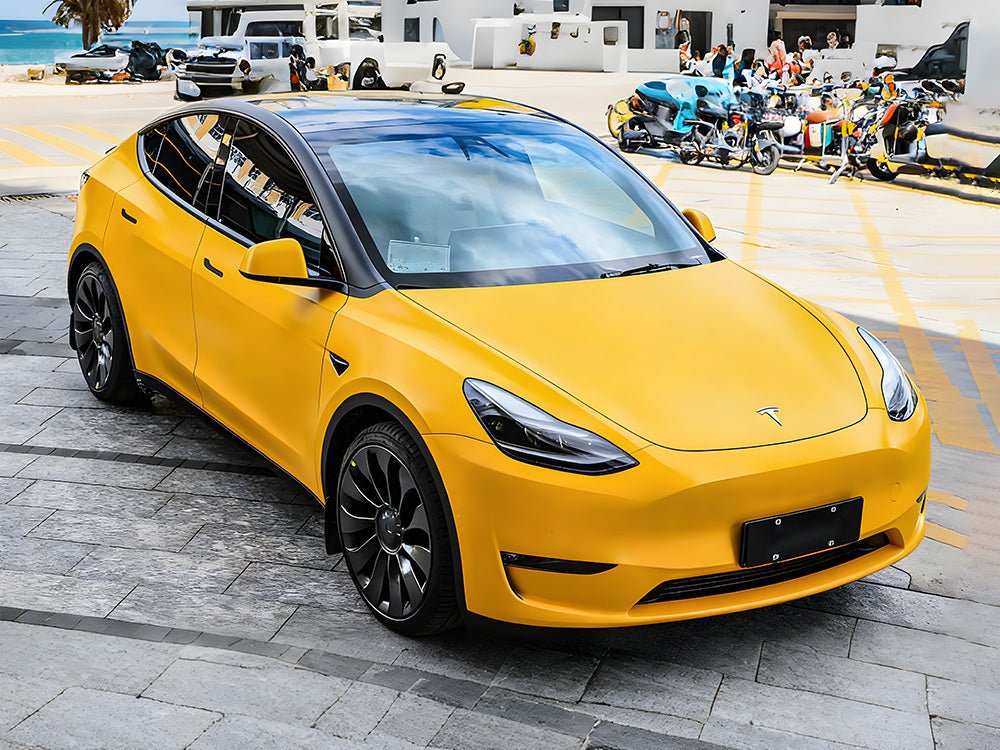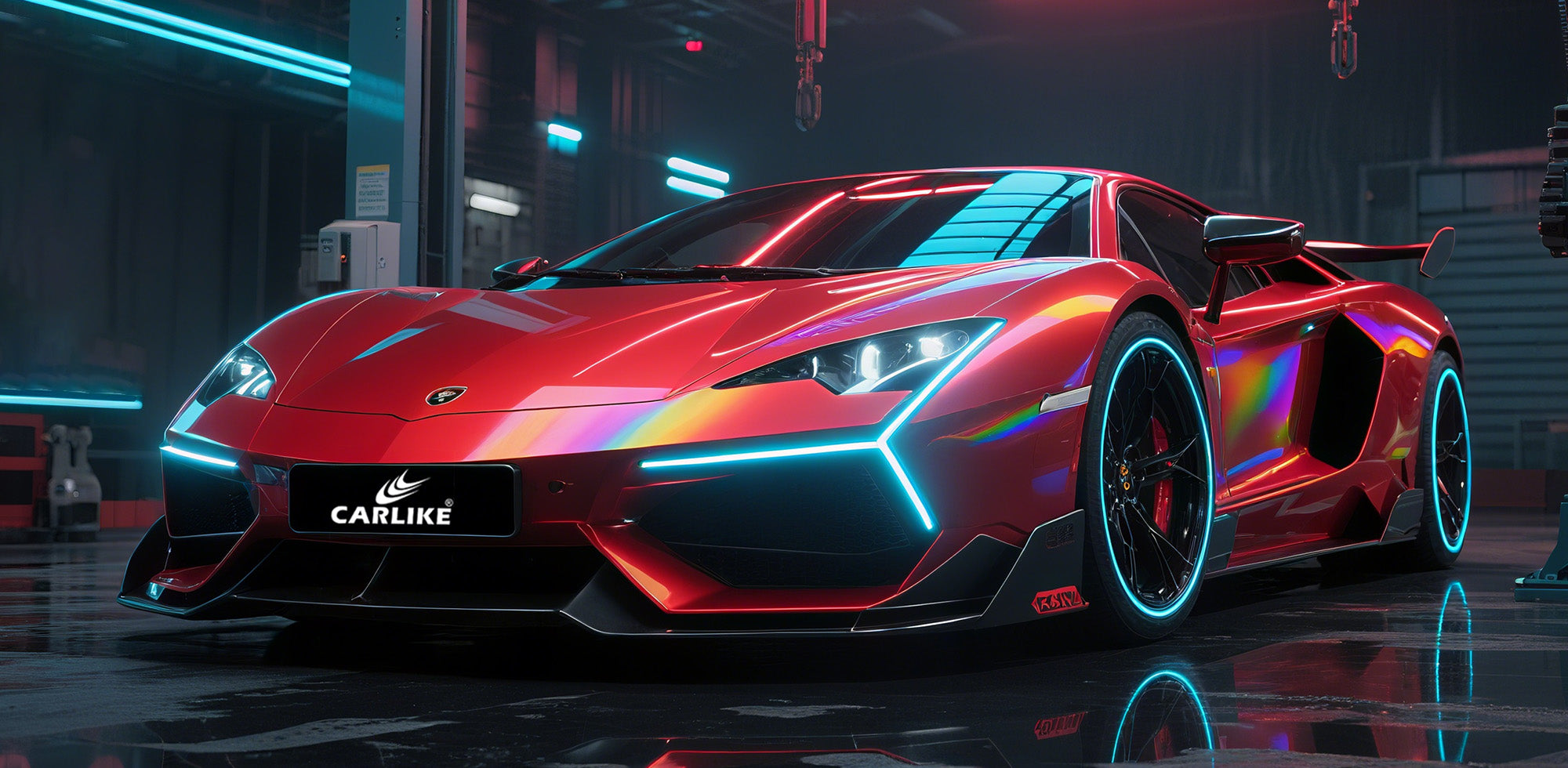

Want a Car Wrap? Here’s Exactly How It Works
Ever wondered how a car transforms with a wrap, not paint? It’s an art. I’ll guide you from choosing vinyl over paint, through the meticulous prep and masterful installation, to crucial aftercare. You’ll see how pros handle curves, what tools they use, and know exactly how to make your new look last. Let’s demystify the entire wrap process.
1. Why Skip the Paint Shop for a Wrap?
Let’s be honest—repainting your car isn’t just pricey; it’s permanent, messy, and can take ages in the shop. That’s why I went with a wrap on my own ride.Picture it like a giant, high-tech sticker tailored exactly to your car’s curves. It shields the factory paint underneath and peels off cleanly whenever you’re ready for something new. And the best part? Wrapping often costs way less than a showroom-quality respray, and it’s done in days, not weeks.You also get finishes paint just can’t match—deep mattes, shimmering metallics, even colors that shift in the light. And when it’s time to sell? Peel it off. Your original paint stays untouched, which serious buyers love.A wrap isn’t just a change of color—it’s smart car care with a creative twist.
2. The Crucial First Stage: Car Wrap Design & Material Selection
This is where your vision comes to life, and it’s a step you should never rush. I always tell people that the work done beforeany vinyl is unrolled dictates the final result. First, you decide on the design. Is it a full color change, a graphic, a commercial branding livery, or a subtle accent? I then work with clients to select the right vinyl film. This isn’t a one-size-fits-all product. We choose from cast vinyl (the premium choice for complex curves and long-term durability) or calendared vinyl (a more budget-friendly option for flat surfaces or short-term use). Then comes the fun part: the finish. Do you want a deep gloss, a sophisticated matte, a rugged textured satin, or a brilliant metallic? Each brand, like 3M, Avery Dennison, or Oracal, has its own characteristics and color libraries. I spend time here because choosing the right material for your specific car and goals prevents headaches during installation and for years to come.
3. Shop Preparation: The Deep Clean Before Your Car Wrap
You cannot wrap a dirty car. It’s the golden rule, and breaking it guarantees a failed wrap. The goal is to create a perfectly sterile, contaminant-free canvas. I start with a thorough decontamination wash, but that’s just the beginning. Next, I use a specialized clay bar to pull out every speck of embedded rail dust, industrial fallout, and tree sap that washing misses. After that, I carefully inspect every panel under bright lights and use a surface prep solution (a mix of high-grade isopropyl alcohol and water) to wipe down the entire vehicle. This step removes every last trace of wax, sealant, grease, and fingerprints. Any residue left behind will prevent the vinyl adhesive from bonding properly, leading to bubbles, peeling, and premature failure. This meticulous prep is non-negotiable and can take as long as the wrapping itself.

4. Demystifying the Vinyl: How Car Wrap Film Actually Works
To understand the magic, you need to know what you’re working with. Modern vehicle wrap film is a sophisticated, multi-layered product. I like to explain it as a sandwich. The top layer is a clear, durable polyurethane laminate that protects the color from UV rays, scratches, and chemicals. Just beneath that is the pigmented or printed color layer itself. The real genius is in the third layer: the pressure-sensitive adhesive. This isn’t a super-strong glue; it’s a repositionable, air-release adhesive that allows me to slide the film into place and squeegee out air bubbles. The film is also inherently flexible and has “memory”—meaning it wants to hold its original shape, but when heated, it becomes pliable and can stretch (within limits) to conform to complex curves, then shrink back as it cools to form a tight, seamless bond. It’s this engineered combination of layers that makes a full wrap possible.
5. The Art of Installation: A Step-by-Step Car Wrap Process
Now for the main event. Installation is a methodical dance of material, heat, and tension. I never just start sticking film on the car. First, I digitally pattern or manually measure and pre-cut panels for specific sections of the car—like a hood, a door, or a bumper. I’ll carefully peel the backing paper, lightly mist the adhesive with a slip solution (soapy water) to allow for positioning, and apply the film loosely to the area. Then, using a soft felt squeegee, I begin working from the center outward, methodically pushing the solution and air bubbles to the edges. A heat gun is my essential tool here. Gentle, even heat makes the vinyl soft and stretchable, allowing me to form it around door handles, over sharp body lines, and into recesses without tearing. It’s a slow, patient process of tacking down one section, heating and stretching another, and constantly checking alignment.

6. Tools of the Trade: What Pros Use for a Flawless Car Wrap
You can’t do this job with just a credit card and a hair dryer. My toolkit is specialized. My most-used tool is a set of professional-grade Teflon and felt squeegees of different sizes and edges for smoothing without scratching. My heat gun has precise, adjustable temperature control to avoid scorching the vinyl. I use sharp, swivel-blade knifeless cutting tape to create perfectly straight, safe cuts on the car’s surface without ever touching the paint. I have an array of plastic pry tools and soft plastic cards for tucking edges into seams and badges. Magnets hold the film in place during initial positioning, and a digital laser thermometer helps me keep the heat application consistent. Each tool serves a specific purpose to ensure a clean, secure, and bubble-free application.
7. Navigating Curves and Corners: The Hardest Part of a Car Wrap
This is where amateurs are separated from professionals. Simple, flat panels are straightforward. The real challenge—and the mark of a great installer—is handling complex geometry. Take a car’s side mirror, for example. It’s a compound curve that stretches in multiple directions. The technique for this is called “inlaying” or “relief cutting.” I strategically make small, precise cuts in the film (always away from high-visibility areas) to allow the material to overlap on itself like a dart in fabric, relieving tension. For deep recesses around grilles or tail lights, I use a combination of significant heat to make the vinyl very pliable, then carefully stretch and post-heat it to activate the adhesive’s memory, causing it to shrink and conform tightly into the recess. It requires an intuitive feel for the material’s limits to stretch it enough without thinning it or causing it to fail later.
8. Post-Installation: The Finishing Touches on Your Car Wrap
Once the last panel is on, the job isn’t over. The wrap needs time to properly “cure” or bond. The water from the slip solution needs to fully evaporate, and the adhesive needs to set. I let the vehicle sit in a warm, clean bay for at least 24-48 hours before I even think about the next steps. After that curing period, I go back and apply focused heat to all the edges, seams, and recessed areas. This post-heating is critical—it reactivates the adhesive and ensures every tucked edge and seam is fully sealed down, preventing any chance of lifting. Finally, I do a meticulous final inspection under different lighting conditions, looking for any imperfections, bubbles, or dust specks that need to be addressed before I hand the keys back.

9. Caring for Your Investment: Car Wrap Maintenance Essentials
Your wrap is durable, but it’s not maintenance-free. How you care for it will directly impact its lifespan. My number one rule: no automatic car washes. The harsh brushes and aggressive chemicals will scratch and degrade the film. I only recommend hand washing with a pH-neutral, wax-free automotive shampoo and a soft microfiber mitt. Avoid high-pressure washers on the edges of the film. For drying, use a clean, soft microfiber towel. You’ll also want to protect it from environmental hazards quickly. Bird droppings, tree sap, and bug splatter are acidic and can stain or etch the vinyl’s top coat if left for too long. Remove them promptly. I also recommend a vinyl-specific spray sealant or coating (not a carnauba wax, which can cause discoloration) to add an extra layer of UV and contaminant protection.
10. Car Wrap Longevity: How Long Will It Really Last?
This is the most common question I get, and the honest answer is: it depends. A professionally installed wrap using high-quality cast vinyl, on a garaged vehicle that’s meticulously maintained, can look great for 5 to 7 years, sometimes longer. For a daily driver that lives outside in the sun and endures all seasons, a lifespan of 3 to 5 years is a more realistic expectation. The enemies are constant, intense UV radiation (which fades colors and can make the film brittle), extreme temperature swings, and improper care. The film doesn’t just “fail” on its expiration date; you’ll see it gradually become more difficult to keep clean, the gloss may dull slightly, and the edges may begin to show minor signs of wear. When that time comes, a professional removal will leave your original paint in perfect, preserved condition, ready for its next chapter.
So, is a car wrap right for you? Now that you’ve seen the meticulous craft behind it—from design to curing—you can decide with confidence. It’s a brilliant blend of art and science that transforms your vehicle. If you’re ready for a change that protects your paint and expresses your style, the journey starts with finding a trusted installer. Your dream finish awaits.
1. How long does a car wrap last?
A high-quality vinyl wrap, professionally installed and properly maintained, typically lasts between 5 to 7 years. For a daily driver exposed to harsh sun and weather, expect 3 to 5 years. The lifespan heavily depends on the film quality, installation skill, and your aftercare routine.
2. Will a wrap damage my car's original paint?
Quite the opposite. When installed and removed correctly by a professional, a wrap acts as a protective layer, shielding your factory paint from UV rays, minor scratches, and road debris. The key is proper removal, which leaves your original paint in pristine, preserved condition.
3. How much does it cost to wrap a car?
Costs vary widely based on vehicle size, material, and complexity. For a full color change on a standard sedan with a quality cast vinyl, expect a range of $2,500 to $5,000. While not cheap, it’s significantly less than a high-quality, multi-stage repaint and offers unique finishes you can’t get with paint.
4. Can I wrap my car myself?
While DIY kits exist, I strongly advise against it for a full wrap without prior experience. Professional wrapping requires a controlled environment, specialized tools, and a deep understanding of vinyl behavior on complex curves. An amateur attempt often leads to wasted material, frustration, and an uneven result that can harm the film or paint.
5. How do I care for and clean my wrapped car?
Hand wash only! Use a pH-neutral, wax-free car shampoo and a soft microfiber mitt. Avoid automatic car washes (their brushes and harsh chemicals are damaging), abrasive cleaners, and high-pressure sprays directed at wrap edges. Remove bird droppings or tree sap quickly, as they can stain.