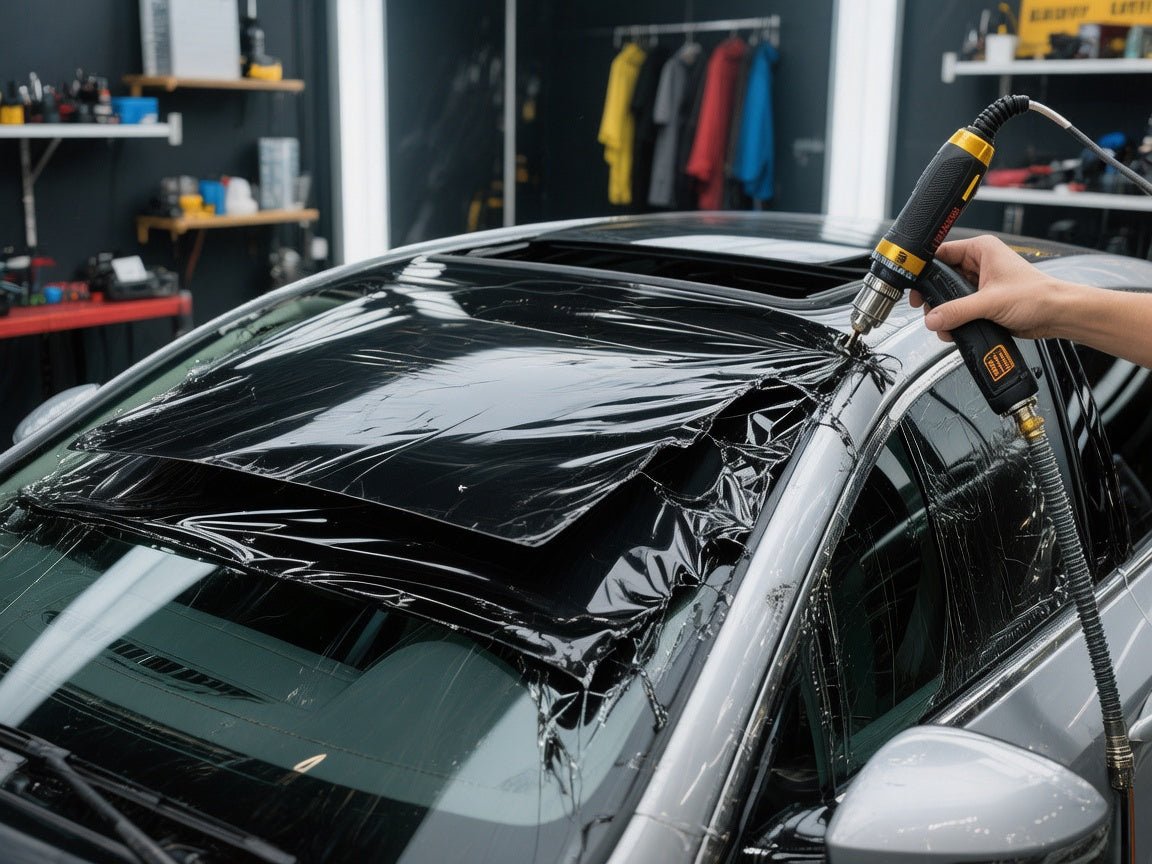


Before getting their first car window tinting, many people assume the **cost to tint car windows comes down to a single straightforward number. Soon, however, they realize it is far more complicated. The final cost to tint car windows depends on film type, vehicle size, installation method, and details often overlooked until the quote is received. This confusion can lead to overpaying or choosing the wrong film for their needs.
This guide breaks down the average cost to tint car windows, explains how different films affect pricing, and compares the cost to tint car windows by vehicle size and model. It also examines professional versus DIY installation, highlights hidden fees that can increase the total, and helps readers decide whether tinting car windows is worth the long-term investment. For those seeking clear answers before spending, this article provides them.
Table of content
1. What Is the Average Cost to Tint Car Windows?
When people ask me about the cost to tint car windows, I always start with averages—because they set expectations, not final prices. For most standard sedans, professional window tinting usually falls between $150 and $400. SUVs and larger vehicles often land between $200 and $500, while luxury cars or vehicles with complex glass can go higher.
I have seen prices drop below these ranges, but low prices almost always come with trade-offs. Cheap jobs often use entry-level film, rushed installation, or offer no warranty. On the other end, higher prices usually reflect better film performance, cleaner installs, and longer-lasting results.
I treat the average cost as a reference point, not a guarantee. Every car and every tint choice changes the final number.


2. How Film Type Changes the Cost to Tint Car Windows
Film type plays the biggest role in determining the cost to tint car windows. I always tell buyers that they are not just paying for darkness—they are paying for performance.
Dyed films cost the least, but they mainly improve appearance. They block some light, but they struggle with heat rejection and tend to fade over time. Carbon films cost more, but they resist fading and block more heat without interfering with electronics. Ceramic films sit at the top of the price range, but they deliver the best heat rejection, UV protection, and clarity.
I have learned that choosing the wrong film often leads to regret. Many buyers start cheap, then pay again later to upgrade. Film choice directly affects comfort, durability, and long-term value.
3. Cost to Tint Car Windows by Vehicle Size and Model
Vehicle size directly impacts the cost to tint car windows because more glass requires more material and labor. A compact sedan takes less film and time than a full-size SUV. Hatchbacks, wagons, and vehicles with large rear windows usually cost more because installers spend extra time shaping film to curved glass.
I also see higher costs on vehicles with frameless windows, panoramic roofs, or steeply curved windshields. These designs demand precision and experience. Installers charge more because mistakes cost them time and materials.
When comparing quotes, I always make sure buyers compare prices for the same vehicle type. A sedan price never translates directly to an SUV or crossover.


4. Professional Installation vs DIY: Cost Comparison
DIY kits attract buyers with low upfront prices, often under $100. On paper, that makes DIY look like the cheapest way to reduce the cost to tint car windows. In practice, I rarely see DIY jobs match professional results.
Professional installation costs more because it includes skilled labor, clean environments, precision cutting, and warranties. Installers remove door panels when needed, heat-shape film correctly, and avoid dust contamination. DIY installs often end with bubbles, peeling edges, or uneven darkness.
I have watched many people pay twice—once for DIY film and again for professional removal and reinstallation. When I factor in time, frustration, and durability, professional installation usually delivers better value.
5. Hidden Fees That Increase the Cost to Tint Car Windows
DIY kits attract buyers with low upfront prices, often under $100. On paper, that makes DIY look like the cheapest way to reduce the cost to tint car windows film. In practice, I rarely see DIY jobs match professional results.
Professional installation costs more because it includes skilled labor, clean environments, precision cutting, and warranties. Installers remove door panels when needed, heat-shape film correctly, and avoid dust contamination. DIY installs often end with bubbles, peeling edges, or uneven darkness.
I have watched many people pay twice—once for DIY film and again for professional removal and reinstallation. When I factor in time, frustration, and durability, professional installation usually delivers better value.


6. Is the Cost to Tint Car Windows Worth It Long Term?
I judge value by long-term results, not day-one cost. Quality window tint protects interiors from UV damage, reduces cabin heat, and improves driving comfort year after year. That protection helps preserve resale value and reduces reliance on air conditioning.
Cheap film may save money upfront, but fading, bubbling, or poor heat rejection often cancel out those savings. High-quality film, especially ceramic, costs more at the start but lasts longer and performs better.
When buyers ask me if the cost to tint car windows makes sense, my answer depends on how long they plan to keep the car and how much comfort matters to them. For most drivers, smart film choices pay off over time.


Conclusion
Understanding the cost to tint car windows before you buy makes the difference between a smart upgrade and an expensive mistake. I have learned that price alone never tells the full story—film type, vehicle design, installation quality, and hidden fees all shape the final cost. When buyers focus on long-term performance instead of the cheapest quote, window tint delivers real value through comfort, protection, and durability. If you take the time to compare options, ask the right questions, and choose the film that fits your budget and goals, you can invest in car window tint with confidence and avoid paying twice later.
Featured in this blog

The author : CARLIKE WRAP
Carlike is a professional vinyl maker in China. It offers sample, OEM, and ODM service for global wholesale partner. The Carlike factory makes over 30 series and 1500+ color of vinyl, with strong stock and wide choice. After payment, the partner gets shipment in 48 hours (by sea or air). Contact me to get factory direct price.
Frequently Asked Questions
5 Key Factors That Decide Your Car Window Film Cost
Answer
Professional vs. DIY Window Tinting: Cost Breakdown and Comparison
Answer
Hidden Fees in Window Tinting: What Your Quote Might Not Include
Answer
Is Car Window Tinting Worth It? Long-Term Value vs. Upfront Cost
Answer