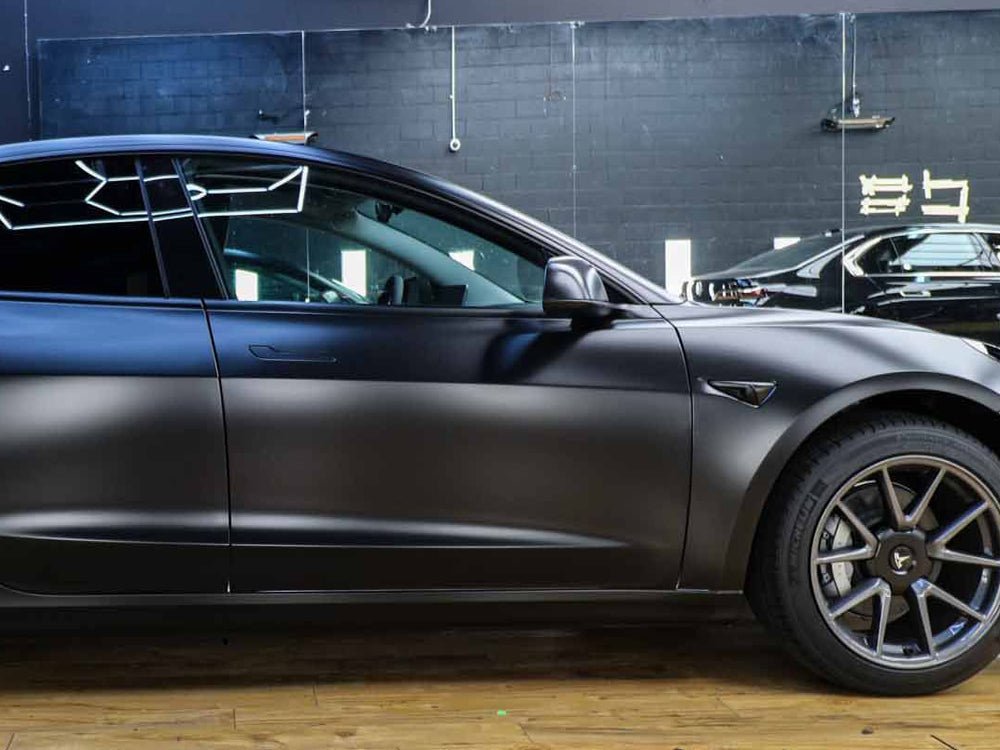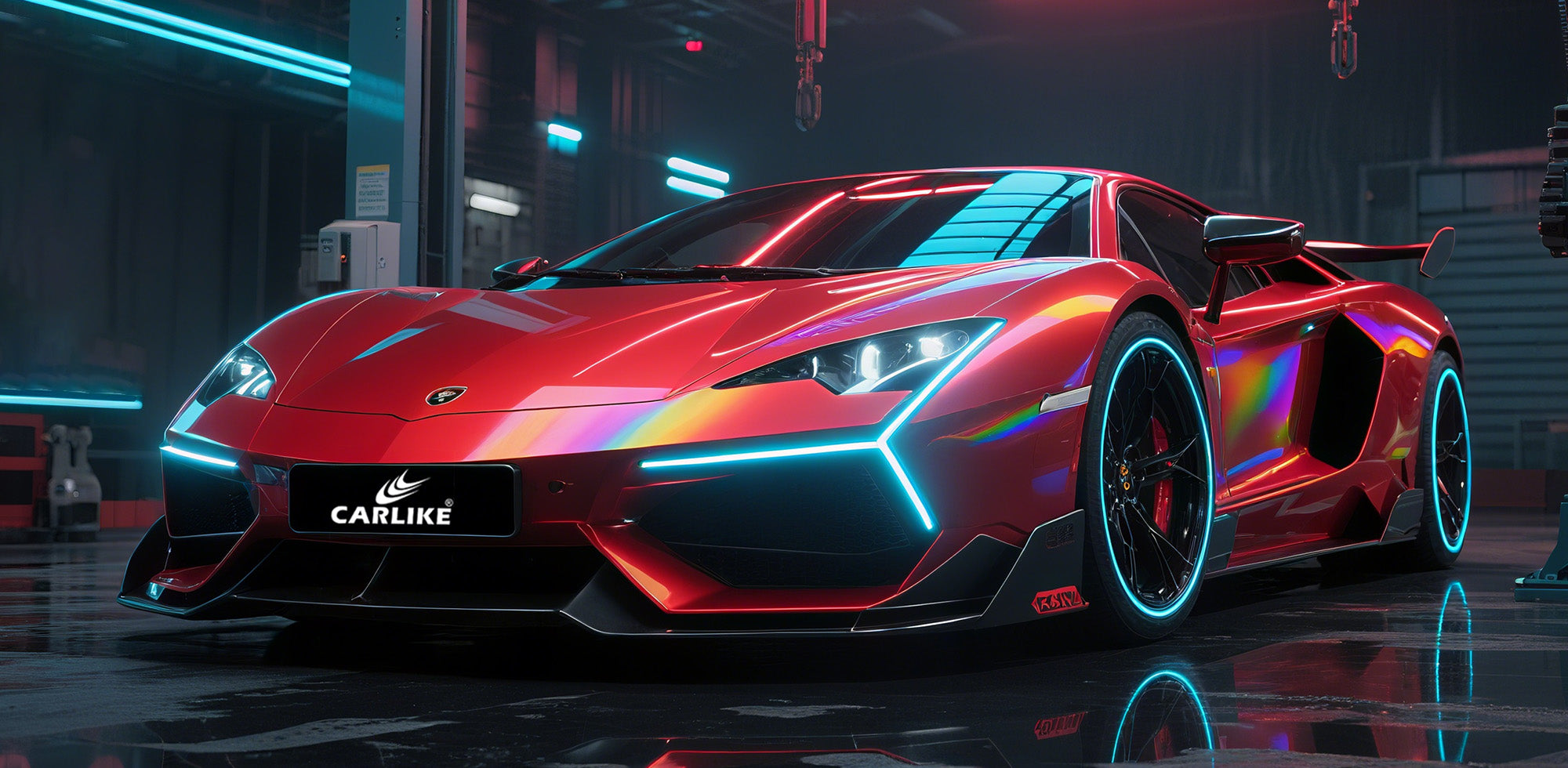

As car color change and paint protection become more popular, PPF (Paint Protection Film) and vinyl wrap have become two of the most compared car film option. But many car owner still feel unsure about which one to choose. In simple terms, PPF focuses more on “protection”. Its main purpose is to prevent paint damage from rock chip, scratch, and UV exposure. Vinyl wrap focuses more on “color change and personalization”, allowing a fast change of vehicle style. This article will compare PPF and vinyl wrap from thickness, material, service life, removal risk, and suitable user type, helping find the better choice for different need.
Why PPF suddenly became popular
- With the development of TPU technology, colored PPF is clearly better than PVC vinyl wrap in texture, durability, self-healing, and yellowing resistance. It fits market demand better in hot and high UV area.
- More luxury car and EV owner want OEM-like satin, stealth, and frozen paint style, while also protecting original paint and improving resale value.
- Installer shop also prefer to promote colored PPF because it brings higher profit and lower rework rate.
- TikTok, Instagram, and other platform greatly increased the visual spread of “surface texture”. This pushed the car wrap industry from the traditional vinyl wrap era into the premium TPU surface solution era.

Why does PPF look more like paint?
- The nano top coating has gloss, reflection, smoothness, and hydrophobic effect similar to clear coat. This makes light look more natural on the surface.
- Mainstream TPU now has a refractive index closer to clear coat, with better flexibility and more natural surface tension. This creates a richer and smoother look.
- The optical adhesive layer is more transparent. A high-clear adhesive layer can reduce haze and gray effect, while keeping the metallic and pearl paint texture and depth.
- Many modern PPF product no longer only chase “extra gloss”. The goal is to restore the feel of OEM paint. Manufacturer carefully control gloss and reflection style, so it looks more like a factory clear coat instead of an overly smooth plastic layer.
- The self-healing top coating on PPF can repair small scratch after heat, so the surface can keep a smooth and even reflection for a long time.

PPF and Vinyl Wrap Thickness
| Climate environment |
PPF |
Vinyl Wrap |
| Common total thickness |
165–250μm |
122–165μm |
| Common mil thickness |
6.5–10 mil |
4.8-6.5 mil |
| Base material thickness |
Thicker |
Thinner |
| Top coat (surface coating) |
Thicker |
Thinner or none |
| Adhesive layer thickness |
Thicker, more stable |
Thinner |
PPF vs Vinyl Wrap: Key Difference Comparison
TPU Material vs PVC Material
| Comparison category |
TPU(thermoplastic polyurethane) |
PVC(Polyvinyl chloride) |
| Flexibility |
80A–90A |
75A–85A |
| Elongation at break |
400%-700% | 150% – 300% |
| Recovery rate |
>90% |
60% – 90% |
| Tensile strength |
35–50 MPa |
18–25 MPa |
| Tear strength | 80–200 kN/m |
30 – 100 kN/m |
| Yellowing index |
ΔYI < 2–3 |
ΔYI 3-5 |
| UV blocking rate |
99% | 85% – 95% |
| Rock chip resistance | Strong |
Limited |
| Self-healing ability |
Have |
Basically none |
| High temperature resistance |
90–110°C |
60–70°C |
| Low temperature resistance | -40°C |
-25°C ~ -30°C |
| Orange peel texture |
less |
More obvious |
| Chemical resistance |
2–12 PH |
4–10 PH |
| Service life |
5–10 Years |
2–5 Years |

PPF vs Vinyl Wrap Service Life
| Use stage |
PPF(TPU) |
Vinyl Wrap(PVC) |
| 0–1 year |
Stable color, high gloss, strong surface flexibility; self-healing and hydrophobic performance at best |
Good appearance, bright color; almost no obvious aging |
| 1–2 year |
Mostly keeps original condition; UV and stain resistance still strong |
Starts to show slight gloss loss, edge shrink, and local adhesive fatigue |
| 2–3 year |
Slight gloss reduction, usually still keeps good texture |
Clearly enters aging stage, fading, more orange peel texture, and higher risk of edge lifting |
| 3–5 year | Still keeps good appearance; slight yellowing or fine surface line may appear |
Clearly degraded, high temperature area may show brittleness, crack, and adhesive residue |
| 5–7 year |
Still usable, protection performance becomes lower but usually still better than new PVC film |
Most are recommended for removal, otherwise removal risk may increase |
| 7–10 year |
May show yellowing, coating fatigue, and lower hydrophobic effect |
Basically no longer in normal use cycle |
| High temperature aging |
Relatively slow |
Aging becomes much faster, easy to shrink, become brittle, and fade |
| Sun exposure aging |
Color layer and coating stay more stable |
Long sun exposure can easily cause gloss loss and chalking |
| Lifecycle feature |
Slow aging type |
Fast aging in middle and later stage |
| Common real lifespan |
5–10 year |
2–5 year |
| Typical user feeling | Like OEM paint getting older over time |
Like a wrap slowly getting old |
PPF vs Vinyl Wrap Installation Cost Comparison


PPF vs Vinyl Wrap Removal Risk
| Comparison category |
PPF |
Vinyl Wrap |
| Removal risk within normal lifespan |
Lower |
Medium |
| Risk after long-term use (over 5 year) |
Still relatively controllable |
Risk increases clearly |
| Removal risk after aging | Medium |
Higher |
| Chance of adhesive residue / film tearing | Lower |
Higher |
| Chance of brittleness during removal | Lower |
High |
| Stretch stability during removal |
Strong |
Average |
| Effect on OEM paint |
Usually safe under normal installation |
After aging, risk of paint damage may increase |
| Risk on repainted area |
Still has risk |
Higher risk |
| Risk on soft paint / thin paint |
Medium |
Medium to high |
| Effect of installation quality on removal | Very large |
Very large |
| Common removal condition | Removed slowly in one full piece |
Partial tearing and adhesive residue |
| Typical user feeling | Like removing a protective layer |
Like removing an old sticker |

Comparison in different climate environment
| Climate environment |
PPF(TPU) |
Vinyl Wrap(PVC) |
| High temperature environment (40°C+) |
Stronger stability, keeps flexibility well |
Easy to soften, shrink, and speed up adhesive aging |
| Low temperature environment |
Keeps some flexibility | More likely to become hard under low temperature |
| Long-term sun exposure | Stronger UV resistance, slower fading |
More likely to fade, lose gloss, and chalk |
| Desert climate |
Stronger heat and rock resistance |
Easy to show surface wear and brittleness |
| Tropical climate |
Stronger hydrophobic performance |
Higher chance of edge lifting |
| Large day and night temperature difference |
TPU has better thermal stability |
More likely to shrink from heat expansion and contraction |
| High altitude strong UV |
Stronger yellowing resistance |
Fades faster |
| Seaside salt air environment |
Stronger corrosion resistance |
Adhesive layer and edge age more easily |
| Lifecycle stability |
Slow aging |
Faster aging in later stage |

When should PPF be the better choice?
- If keeping the original paint in perfect condition matters a lot, PPF is a very good choice. It can resist small rock chip, wash swirl, branch scratch, and light damage in daily use. It is especially valuable for car owner who want to keep paint quality and maintain higher resale value in the future.
- The best time to install PPF is when the car is still new. Original paint is in the best condition, so there is no need for large repair or polishing first.
- If the car often drives on highway, the value of PPF becomes much higher. Rock, sand, and road debris from other vehicle can easily damage the front bumper, hood, and mirror. PPF is designed for this kind of physical impact.
- Dark color car is especially suitable for PPF. Black, dark blue, and dark gray easily show swirl mark and wash scratch. The self-healing ability of PPF can reduce these fine mark and help dark paint keep a rich glossy look for a longer time.
- Luxury car, performance car, and limited model are also more suitable for PPF. Repairing original paint on these car is usually expensive, and many owner care a lot about keeping factory paint original. Compared with repainting later, protecting original paint is often more important.
- If the parking environment is complex, PPF is also very useful. Outdoor parking, shopping mall, roadside, or narrow parking space can increase small damage risk. PPF cannot stop real collision, but it can reduce light damage from door contact, nail scratch, and luggage friction.
- For people who often wash and care about paint appearance, PPF can reduce maintenance pressure. The surface is more resistant to chemical and fine friction, so wash scratch is less likely to appear. Good appearance can stay longer without frequent polishing.
- If the plan is to keep the car for many year, the value of PPF becomes easier to see. It basically slows down paint aging and wear. The longer the car is kept, the more valuable the original paint protection becomes.

When should vinyl wrap be the better choice?
- If changing vehicle style is the goal, but permanent repaint is not wanted, vinyl wrap is a very good choice. It can create a custom look with lower risk than full repaint. Matte, satin, metallic, chameleon, and other special effect are also easier to achieve. Many of these effect are difficult or very expensive with factory paint.
- If changing style often is preferred, vinyl wrap is much more flexible than paint. Some people change color based on season, wheel style, event, or personal taste after a few year. This “replaceable” feature is one of the biggest advantage of vinyl wrap.
- If the car has a common factory color but a more unique look is wanted, vinyl wrap can quickly improve visual recognition. Many performance car and modified car owner use it to create a stronger road presence.
- For company, studio, or commercial vehicle, vinyl wrap can also work as brand display. Logo, graphic, and special color can be added to the body, then removed quickly after an event or brand update.
Conclusion
In conclusion, both PPF and vinyl wrap have different strength and are designed for different need. PPF is more suitable for long-term paint protection, better durability, and a finish closer to OEM paint. It performs better in scratch resistance, self healing, UV protection, and high temperature stability. Vinyl wrap is more suitable for people who want flexible color change, lower installation cost, and stronger personalization. The better option mainly depends on budget, driving environment, maintenance habit, and how long the car will be kept. For car owner who care more about paint protection and resale value, PPF is usually the better long term solution. For people who focus more on style change and visual customization, vinyl wrap is still a popular and practical choice.
FAQ
Does PPF last longer than vinyl wrap?
Yes. Most TPU PPF can last around 5–10 years, while most vinyl wrap usually lasts around 2–5 years.
Is PPF more expensive than vinyl wrap?
Yes. PPF usually has a higher material and installation cost because the material is thicker and more advanced.
Which option is better for changing car style often?
Vinyl wrap is usually better for frequent style change because it has lower cost and more color and finish option.
Can PPF and vinyl wrap be removed safely?
Yes, both can usually be removed safely within their normal lifespan if installed correctly.
Which is better for hot weather?
PPF performs better in high temperature and strong UV environments because TPU has better heat and aging resistance.

Carlikewrap
Carlike is a professional vinyl maker in China. It offers sample, OEM, and ODM service for global wholesale partner. The Carlike factory makes over 30 series and 1500+ color of vinyl, with strong stock and wide choice. After payment, the partner gets shipment in 48 hours (by sea or air). Contact me to get factory direct price.