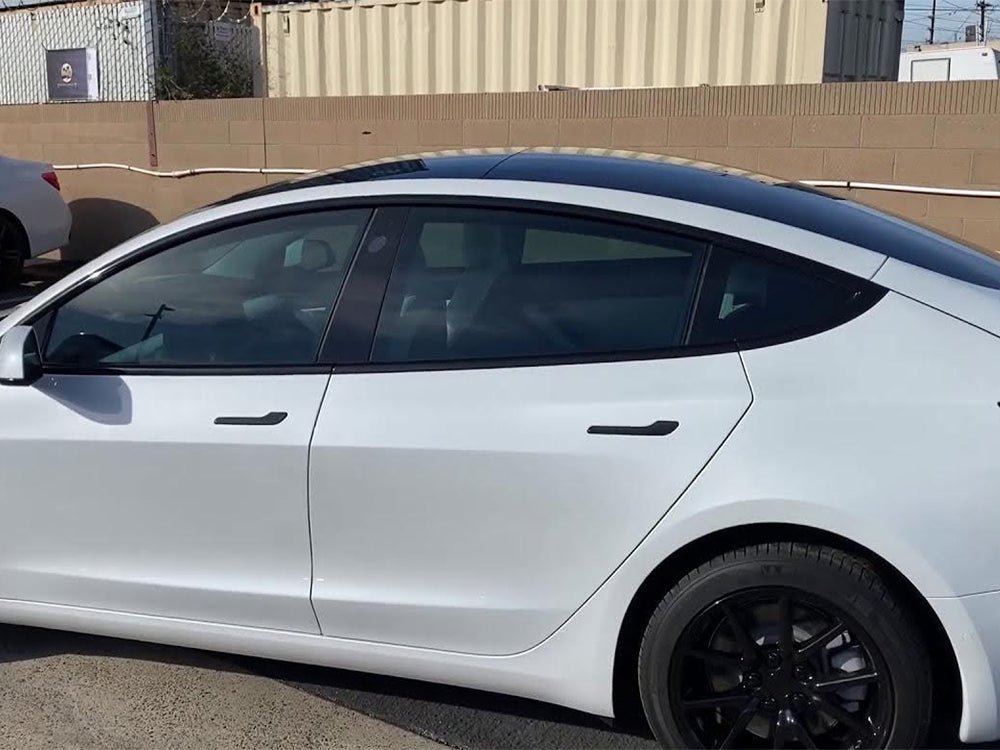

In daily driving, the car body is easy to be affected by scratch, stone chip impact, UV, and environmental pollution. To protect original paint, many car owner choose to install paint protection film. But before installation, how long paint protection film can last becomes a concern. In fact, paint protection film lifespan is affected by material type, driving environment, installation, and daily maintenance. This guide will introduce average paint protection film lifespan and key factor that affect durability, helping make better understanding and choose the right product.
Average Lifespan of Paint Protection Film
The average lifespan of paint protection film is usually between 5 to 10 years, and the exact time depends on paint protection film quality and use condition. high quality TPU paint protection film has strong anti-aging and anti-yellowing performance, and under normal use and good maintenance, it can last more than 8 years. Some low cost and low quality TPU paint protection film is easy to age, turn yellow, and leave adhesive residue, and usually needs replacement after 2 to 3 years.

Key Factors That Affect Paint Protection Film Lifespan
Material Quality
|
Comparison Projects |
High Quality TPU |
Low Quality TPU |
| Appearance effect |
High light transmission and high brightness, almost invisible after installation, improve paint texture |
Hazy and whitish look, cheap appearance after installation, even reduce paint texture |
| Anti yellowing performance |
Strong UV resistance, not easy to turn yellow for 5–10 years |
Turn yellow in 1–2 years or even sooner |
| Self-healing ability |
Real heat self-healing, minor scratch can recover automatically |
Almost no self-healing ability, scratch will accumulate |
| Protection performance |
Strong resistance to stone chip impact and scratch |
Easy to get scratched or damaged, limited protection |
| Surface coating |
Hydrophobic and anti-stain, easy to clean, with lotus effect |
Easy to get dirty, water spot and bug stain hard to clean |
| Material stability |
Not easy to age, no crack, no texture mark |
Easy to age, become hard, show orange peel or crack |
| Installation result |
Good stretch, fit complex curve, no obvious seam |
Poor fit, easy to bubble and lift edge |
| Adhesive quality |
No adhesive residue, no paint damage, safe removal |
Easy to leave adhesive residue, may even pull paint |
| Service life |
Usually 5–10 years |
Usually 1–2 years or even shorter |
| Long-term cost |
High initial cost, but durable, more cost-effective in long term | Low initial cost, but higher cost due to frequent replacement |
| Overall experience |
Better look + protection + less worry |
Worse look + weak protection + high risk |
Environmental Conditions
- High temperature & strong UV (desert area): speed up paint protection film aging and yellowing; reduce self healing coating performance; edges are more likely to lift or lose adhesion.
- Low temperature and extreme cold (cold area):paint protection film becomes hard, flexibility drop, easy to crack or chip at edges.
- Rainy and humid (tropical area): long term moisture can cause water ingress at edges, leading to haze or bubble.
- Coastal high salt environment: salt in air speeds up adhesive aging; without regular cleaning, the surface can corrode and lose gloss.

Driving Habits
Driving style also affects paint protection film wear level:
- Frequent high speed driving makes stone chip impact more likely.
- Driving on gravel road or construction road increases scratch risk
- Frequent car wash or improper wash method can also speed up film wear
Installation Quality
High quality paint protection film can still have shorter service life if installation is not done well:
- Air bubble or water bubble: water or air not fully removed during installation, may become larger or stay over time.
- Edge lifting: poor wrapping or edge finishing, becomes more obvious over time.
- Orange peel or wave texture: not tightly applied, affects original paint gloss.
- Dust trapped inside film: unclean environment, once sealed inside, almost impossible to fix.
- Early aging or yellowing: over stretch during installation or use of low quality solution.
- Adhesive issue or delamination: improper adhesive handling or unsuitable installation temperature.
Maintenance
Post install care is also important, and many film issues come from improper maintenance:
- Long time without cleaning allows contamination to stay on the surface and corrode the film, causing yellowing and dull look.
- Surface coating gets contaminated or oxidized, making paint protection film lose gloss.
- Water spot and stain residue lead to mineral buildup, forming marks that are hard to remove.
- Using strong acidic or alkaline cleaners can damage the self healing coating.
- Improper car wash methods, such as using rough towels, can cause minor scratches.
PPF Install Cost


How To Choose PPF Film Thickness
- If the owner has a limited budget and mainly drives in the city with little highway use. Partial Front coverage is recommended, with paint protection film thickness of 7.5 mil.
- If the owner has a budget and does not want to spend too much, and the car often drives on highways, gravel roads, or roads in slightly poor condition, Full Front coverage service is the ideal choice. The film can be chosen with a thickness of 7.5 mil or 8.5 milpaint protection film.
- If the owner has enough budget and is willing to invest in paint protection film, the highest level of protection — Full Body coverage — is the best choice. Full Body coverage keeps the car’s look consistent, protects the entire paint surface, and greatly increases the car’s resale value.
- Here is a small tip: if the owner lives in an extremely cold area, a coastal area, or a sandy area, it is better to choose 8.5 mil or 10 mil paint protection film. In harsh environments, 7.5 mil paint protection film has a much shorter lifespan and needs to be replaced often.

Tips to Extend Paint Protection Film Lifespan
- Wash the car every 1–2 weeks. First use high-pressure water to rinse off sand, then use neutral car shampoo and a soft wash mitt to clean from top to bottom, and finally dry gently with a clean towel.
- Use clean water or a damp cloth to remove bird droppings, insect remains, tree sap, and tar spots in time; use special cleaner for stubborn contamination.
- Use paint protection film care product every 1–3 months to reduce dirt buildup and slow down aging.
- Avoid long-time sun exposure and regularly check edge condition.
Conclusion
Paint protection film lifespan is affected by material quality, natural environment, driving environment, installation quality, and maintenance method. Therefore, choosing the right thickness of paint protection film is very important.
FAQ
Does paint protection film damage car paint when removed?
No. When installed and removed properly, paint protection film does not damage the original paint.
Can paint protection film self heal scratches?
Yes, paint protection film products have self healing properties. Light scratches disappear with heat from sunlight or warm water.
What parts of car should be covered with paint protection film?
Common areas include the front bumper, hood, fenders, side mirrors, door edges, and high impact zones.
Is paint protection film better than ceramic coating?
paint protection film provides physical protection against impacts, while ceramic coating mainly protects against dirt and water. Many car owners use both together.
Does paint protection film change the appearance of the car?
Clear ppf is almost invisible, while matte paint protection film can change the finish to a satin or matte look.
Can paint protection film be washed like normal paint?
Yes. You can wash a car with paint protection film just like a regular car. However, avoid harsh chemicals and abrasive tools.

Carlikewrap
Carlike is a professional vinyl maker in China. It offers sample, OEM, and ODM service for global wholesale partner. The Carlike factory makes over 30 series and 1500+ color of vinyl, with strong stock and wide choice. After payment, the partner gets shipment in 48 hours (by sea or air). Contact me to get factory direct price.