
Table of contents
Assess your priorities
Consider your driving habits
Plan maintenance
If you’re torn between PPF and a car wrap, you’re not alone. I get this question all the time, because both choices promise protection, style, and real value—but in very different ways. In this post, I break down what a car wrap actually offers, how it compares to PPF in durability, cost, maintenance, and protection, and which one fits your driving habits best. I also touch on car wrap materials, common installation mistakes, and the moments when a wrap makes more sense than PPF. By the end, you’ll know exactly which option gives your car the finish you want.

What a Car Wrap Really Does vs What PPF Does
When someone asks me about car protection, the first thing I do is explain the real difference between a car wrap and PPF. A car wrap changes the look of your car. It gives you new colors, textures, and finishes. You get a fresh style without touching the original paint. It offers some protection, but its main job is to transform your car’s appearance.
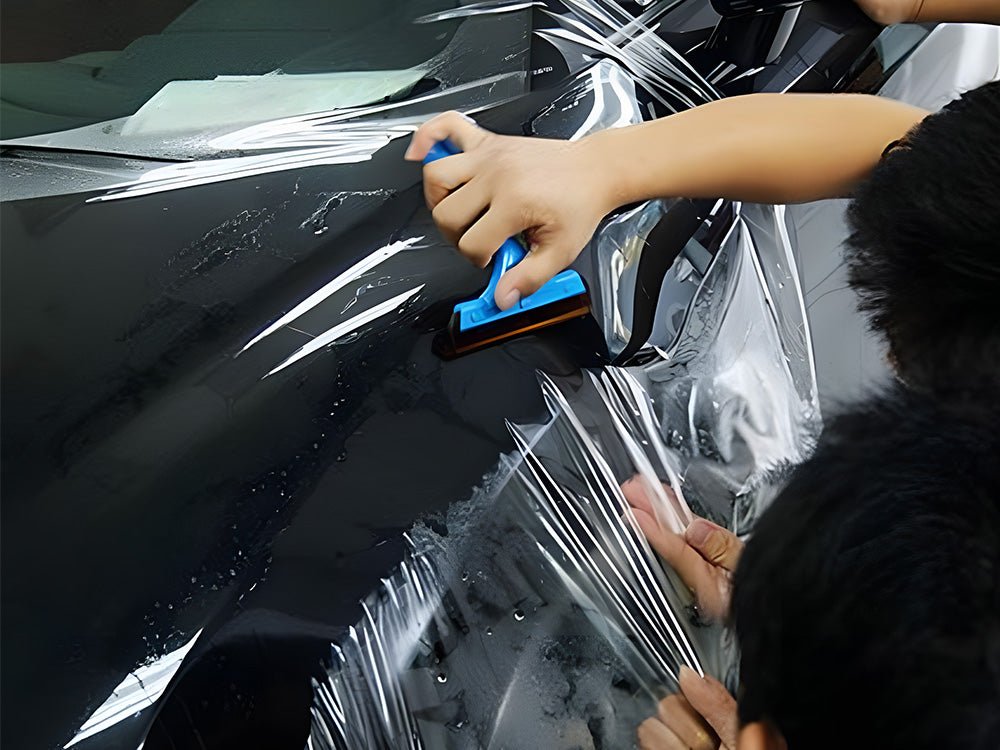
PPF, on the other hand, focuses on defense. It shields your paint from rock chips, scratches, stains, and sun damage. Most high-quality PPF even heals small scratches with heat. I always tell people to start by choosing what matters more—style or protection—because that choice sets the direction for everything else.
How a Car Wrap Changes Your Car’s Style Instantly
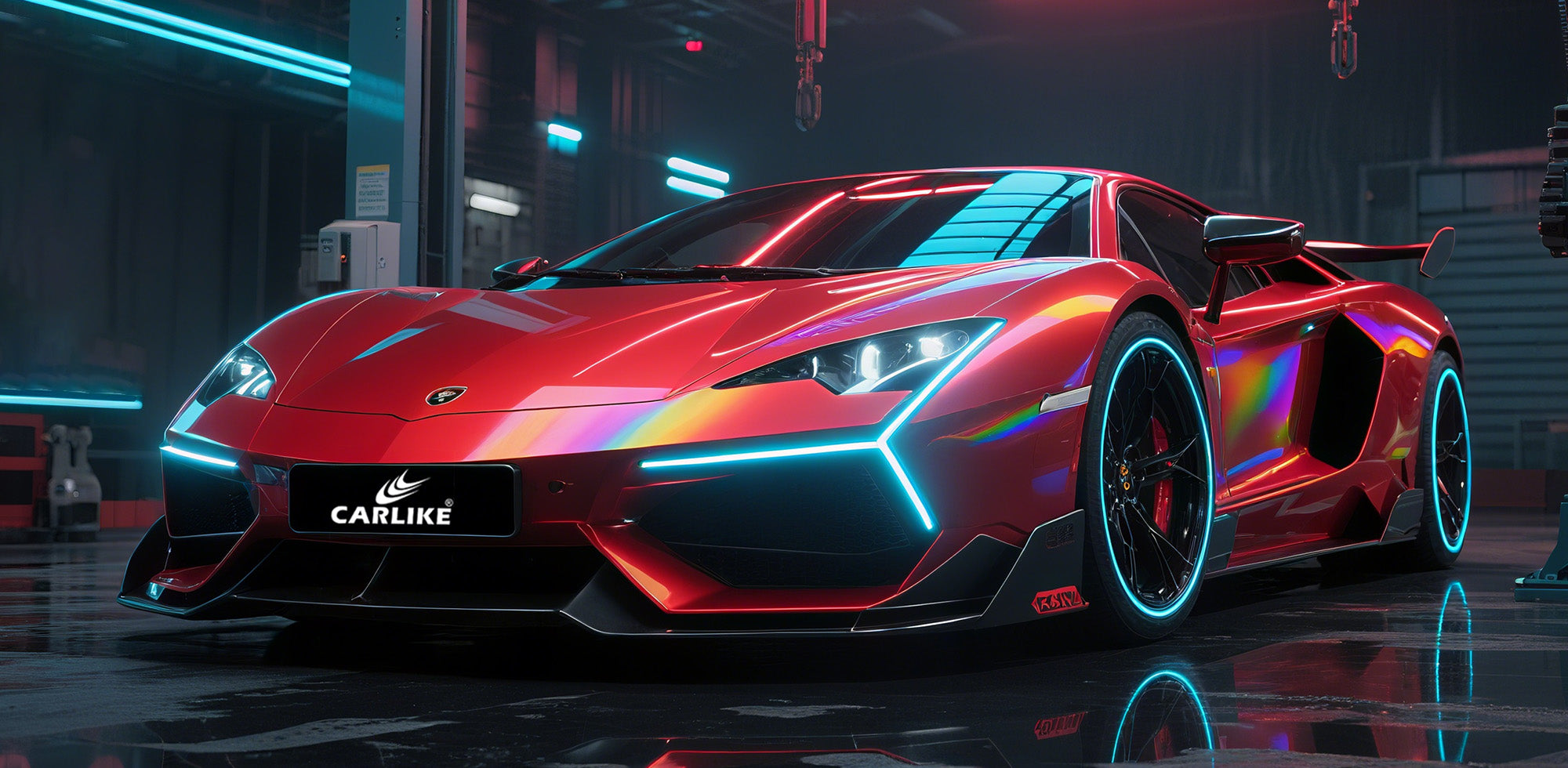
I love showing people how much personality a car wrap adds. With a wrap, your car stops looking like every other vehicle on the road. You can go gloss, matte, satin, chrome, color-shifting, textured—whatever reflects who you are. The best part is the instant transformation. You don’t repaint. You don’t commit forever. You change the look fast, and you can switch it again whenever you want something new.
If you care more about making your car stand out than blocking scratches, a wrap delivers that bold change every time.

Car Wrap Durability: What You Should Expect Over Time
Many buyers expect car wraps to protect like armor. I always explain that a wrap stays strong, but it does not take heavy abuse the same way PPF does. Most wraps last between five and seven years if you take care of them. Sun exposure, harsh washing, and rough roads can shorten that lifespan.
A wrap won’t stop rock chips, and it won’t heal scratches. But when installed properly and washed correctly, it holds its color and finish beautifully. I always make sure people know what a wrap can handle so they never feel disappointed later.
Cost Breakdown: Car Wrap vs PPF for Long-Term Value
The first thing most buyers look at is price. I understand that. A car wrap usually costs less upfront than PPF, especially if you wrap only the color and skip the full-body coverage.
PPF costs more because it offers real protection, thicker material, and advanced features like self-healing. In the long run, PPF protects the paint so well that it may save you money—especially if you plan to sell the car later.
So I always ask: Do you want lower upfront cost and a fresh new look, or do you want long-term protection that keeps your paint in perfect shape? The answer makes the choice clear.
How a Car Wrap Handles Scratches, Sun, and Weather
A car wrap shields your paint from light scratches, UV rays, and some weather damage, but only to a certain level. If you park outside every day, the sun can slowly fade the wrap. If you drive on rough roads, the wrap won’t stop stone chips.
Car wrap protection works more like a cosmetic shield than a defensive barrier. I always tell people that a wrap helps your car look sharp, but it doesn’t take heavy hits. If you want real protection from impact, PPF always wins.

Maintenance Tips: Keeping Your Car Wrap Looking Fresh
I wash my wrapped cars by hand, and I always recommend the same thing to others. A wrap needs gentle care. I use soft mitts, pH-balanced soap, and low pressure if I use a pressure washer. Rough brushes or automatic car washes can scratch or peel the edges.
A clean wrap lasts longer. Dirt sits on the surface and slowly attacks the vinyl, so regular washing keeps the finish smooth and bright. If you take care of your wrap, it rewards you with years of great looks.
Best Situations to Choose a Car Wrap Instead of PPF
Some people come to me wanting full protection, but after a conversation, they realize a wrap fits their needs better. A wrap is perfect if you love changing your car’s style, if you want a specific color without painting, or if you want a fresh look without spending as much as PPF.
A wrap also makes sense if your car isn’t brand-new or your paint already has minor flaws you want to hide. Any time style matters more than impact protection, a wrap becomes the smarter option.
Car Wrap Installation Mistakes Most Buyers Overlook
I’ve seen people buy high-quality wrap material and still end up unhappy because they chose the wrong installer or rushed the process. A wrap needs clean prep, proper trimming, and sealed edges. If an installer cuts corners, edges start lifting, bubbles show up, and the wrap wears out fast.
My advice is always simple: choose experience, not the cheapest price. A skilled installer makes the wrap look flawless and last much longer.
Car Wrap Materials: Gloss, Matte, Satin, Chrome & More
The variety of wrap finishes keeps growing, and that’s one of the reasons I enjoy recommending wraps. Gloss wraps look like paint. Matte wraps give a smooth, modern look. Satin sits right between the two with a soft sheen. Chrome and color-shifting wraps deliver a flashy, custom-car appearance.
Each material behaves differently. Some resist scratches better, some need gentler washing, and some show fingerprints more. I always guide buyers toward the finish that matches both their taste and the care level they’re ready for.
How to Pick Between a Car Wrap and PPF for Your Driving Style
I always end by asking people how they drive. If you drive daily on highways with gravel and debris, I recommend PPF every time. If you park outdoors under strong sun, PPF holds up better. If you enjoy customizing and want your car to feel unique, a wrap gives you endless choices.
Your driving habits matter more than anything else. Once I understand how you use your car, I can point you toward the choice that keeps your finish looking the best for the longest time.
To be compared the PPF and car wrap vinyl, depending on would you like what you want your car to look like and how you drive everyday. If you car about the protection of the car paint, recommend you can choose PPF to make your car pint finish stays flawless. If you wanna to change a new look for your car and fresh color, you can do a car wrap and change everthing you want. Both options have real value, you can pick tha one you like and you first want, your car not only need the looking better but only need to last longer.
What is the main difference between PPF and a car wrap?
PPF focuses on protection, and a car wrap focuses on style. PPF blocks rock chips, scratches, and sun damage. A wrap changes your car’s look with new colors and finishes.
Which one lasts longer: PPF or a car wrap?
PPF lasts longer. High-quality PPF usually stays strong for 7–10 years. A car wrap lasts around 5–7 years if you take care of it.
Does a car wrap protect my paint?
Yes, but only lightly. A wrap guards against small scuffs and UV rays, but it won’t stop rock chips or deep scratches. PPF handles that kind of impact much better.
Can I combine PPF and a car wrap?
Absolutely. Many people use PPF on the front end for protection and a wrap on the rest of the car for style. I recommend this when someone wants both looks and defense.
Which option needs more maintenance?
A car wrap needs gentler care. You should hand-wash it and avoid harsh brushes. PPF is tougher and holds up better against everyday washing and weather.