
Table of contents
Choosing the Right Car Vinylfor Maximum Paint Protection
Protecting Your Paint: The Real Wrap Story
That fear you feel? I hear it daily. "Will this wrap ruin my paint?" It’s the biggest myth in the industry. The truth is, a professional car vinyl wrap is a brilliant paint protector, shielding your finish from sun and scratches. But the real story hinges on three things: the vinyl's quality, the installer's skill, and your paint's current health. I’ll break down how a proper wrap works, the critical removal process, and why DIY can be a disaster. Let’s uncover the truth about your paint’s new best friend.
1. The Truth About Car Vinyl and Paint: Separating Fact from Fiction
I want to start by confronting the core misconception head-on. The idea that a vinyl wrap will "eat" or "pull off" your healthy factory paint is, in most cases, a complete fiction. The fear stems from stories of bad installations or removals from damaged paint. The fact is, modern high-quality cast vinyl is specifically engineered with adhesive systems that are both strong enough to stay put for years but also removable without damaging the underlying clear coat. The vinyl acts as a protective barrier, not a corrosive element. The real damage occurs when the wrong type of vinyl is used, it's applied incorrectly, or more commonly, it's removed improperly from an already compromised surface. My goal here is to give you the foundational truth that a wrap, when done right, is a safe, non-permanent modification.

2. How High-Quality Car Vinyl Actually Protects Your Factory Paint
Let me break down exactly how a premium vinyl film acts as a suit of armor for your car. First, it provides a physical shield against the daily assault of road debris, tiny rocks, and minor abrasions that cause chips and scratches. Second, and just as important, it offers 100% protection from the sun's harmful UV rays. Constant UV exposure is what fades your paint and makes it brittle over time. A color-stable vinyl film blocks this radiation entirely, preserving the vibrancy and integrity of your factory finish underneath. Think of it as a permanent, sacrificial layer. The wrap takes the damage so your paint doesn't have to. This is why a wrap is an excellent option for preserving the resale value of a car you plan to keep for a long time.
3. The Biggest Risk Isn't the Car Vinyl, It's the Removal Process
This is the most critical point for every car owner to understand. The vinyl film itself is inert; it's the act of removing it that presents the highest risk of damage. The adhesive on quality vinyl is designed to release cleanly with the application of heat and proper technique. However, if someone tries to rip the vinyl off cold or uses sharp tools incorrectly, they can easily stress the clear coat or leave behind significant adhesive residue. Aggressive removal of this residue with harsh chemicals or abrasive scraping can then permanently mar the surface. This is why I always stress that removal is a job for a professional who understands the correct heat levels, stretching angles, and adhesive-removal solutions. A professional installation includes a professional removal.

4. Choosing the Right Car Vinyl for Maximum Paint Protection
Not all vinyl is created equal, and the choice you make here directly impacts paint safety. I exclusively use premium "cast vinyl" from reputable manufacturers like 3M, Avery Dennison, or Oracal. Cast vinyl is more flexible, durable, and has a more consistent adhesive, making it safer for long-term wear and removal. I strongly advise against using cheap, calendared vinyl for a full vehicle wrap, especially if paint protection is a goal. Calendared vinyl is more rigid, has a stronger, less predictable adhesive, and is more likely to shrink over time, increasing the risk of leaving residue or damaging paint upon removal. Investing in a high-quality cast vinyl is an investment in your car's paint job.
5. The Critical Role of Professional Car Vinyl Installation
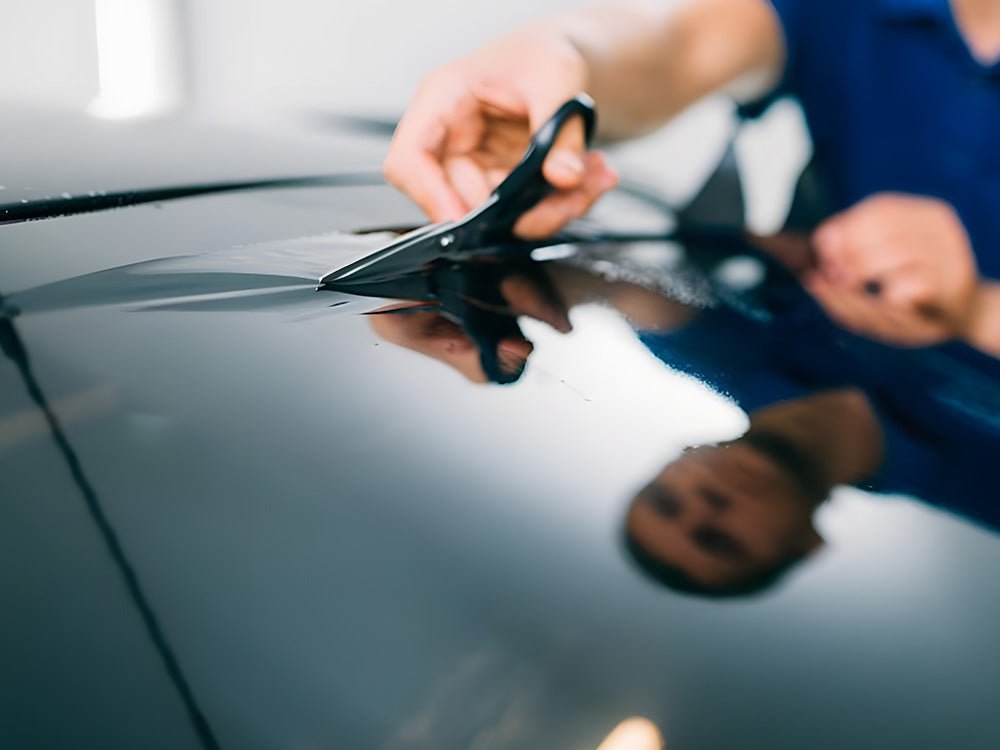
The material is only half of the equation; the installer's skill is the other. A professional brings more than just a steady hand. We understand surface preparation, ensuring the paint is perfectly clean and contaminant-free. We know how to stretch and manipulate the vinyl around complex curves without over-stressing the material or the adhesive, which can lead to premature failure or "adhesive lift" that is difficult to remove. Most importantly, a professional knows how to execute the job with as few seams as possible and without cutting into your car's clear coat—a real risk with inexperienced DIYers. Proper technique during installation is what sets the stage for a safe and easy removal years down the line.
6. How Long Can You Safely Leave Car Vinyl on Your Car?
This is a common question with a variable answer. Most high-quality vinyl manufacturers state their films have a lifespan of 5 to 7 years. In my experience, if the car is well-maintained and garage-kept, you can often safely leave a wrap on for up to 5 years. However, I do not recommend exceeding this timeframe. Beyond that point, the adhesive can begin to "cure" and harden, making it significantly more difficult to remove cleanly. The vinyl itself also becomes more brittle. Leaving a wrap on for too long is one of the ways you can transition from a safe, protective mod to a potentially problematic one. Planning for removal within the recommended window is a key part of the process.
7. Caring for Your Car Vinyl Wrap to Protect the Paint Underneath
Proper maintenance is essential for the longevity of the wrap and the paint it protects. I advise my clients to use a two-bucket wash method with a pH-neutral car shampoo, avoiding any abrasive or wax-based products. Wax can build up on seams and stain the edges of the vinyl. It's also crucial to avoid automatic car washes with stiff bristles, which can scratch the vinyl and compromise its integrity. A clean, well-maintained wrap will perform its protective duty effectively. Neglecting maintenance can lead to the vinyl degrading prematurely, which in turn exposes the underlying paint to the elements and makes the eventual removal more challenging.

8. My Final Verdict: Is a Car Vinyl Wrap a Protector or a Threat?
After years in the industry, my verdict is clear: a car vinyl wrap is unequivocally a protector of your paint, but with one major condition. The condition is that you commit to a trifecta of quality: high-quality materials, a professional installation on sound paint, and proper long-term maintenance. When these three elements align, a wrap is one of the best investments you can make to preserve your car's factory finish from the wear and tear of daily life. It is a threat only when you compromise on any of these pillars—by using cheap vinyl, attempting a complex DIY job, or applying it over failing paint. If you do it right, you can enjoy a stunning new look with the absolute confidence that your original paint is safe and sound underneath.
1. Will the wrap ruin my factory paint when it's removed?
Answer:In almost all cases, no—not if your paint was in good condition before the wrap and a high-quality vinyl was installed and removed by a professional. The adhesive is designed to release cleanly with proper heat and technique. The horror stories you hear are almost always the result of cheap vinyl, improper removal, or the wrap being applied over paint that was already failing.
2. How long can I safely leave a wrap on my car?
Answer:I recommend planning to remove a high-quality wrap within 5 to 7 years. Leaving it on longer risks the adhesive curing and hardening, which makes removal more difficult and increases the chance of residue or paint damage. Think of a wrap as a long-term, but not permanent, solution.
3. Can I wrap a car with old or damaged paint to hide the flaws?
Answer:Absolutely not. This is one of the biggest mistakes you can make. A wrap is not a bandage; it will adhere to the surface exactly as it is. If your clear coat is peeling or cracked, the vinyl's adhesive will bond to it. Upon removal, it is highly likely the wrap will pull the damaged paint right off, making the problem far worse.
4. Is a DIY wrap a good idea to save money?
Answer:For a full vehicle wrap intended to protect your paint, I strongly advise against a DIY attempt. Without proper training, the risks of cutting the paint, over-stretching the vinyl, trapping moisture, and creating a nightmare for removal are extremely high. What you save upfront could cost you thousands in a repaint. Leave full wraps to the professionals.
5. Does a wrap actually protect the paint, or is that just a sales pitch?
Answer:It’s a genuine benefit. A quality vinyl wrap acts as a physical barrier against UV fading, minor rock chips, road grime, and light scratches. The paint underneath is effectively preserved in a time capsule, often emerging in showroom condition when the wrap is removed, which can significantly protect your car's resale value.