
Table of contents
Check paint condition before wrapping
Choose a high-quality vinyl
Avoid wrapping over damaged paint
I get asked all the time, “Will a vinyl wrap protect or damage my paint?” so I want to break it down in simple terms. A vinyl wrap bonds directly to your paint, and the condition of that paint—factory or repainted—makes a huge difference in how safely it holds. Some vinyl wraps surface in peel, lift or fail if in the incorrect installation way, but if in the good quality vinyl wrap can protect the car paint from sun and scratches. For the correct way to care the car wrap vinyl and regular maintenance is depend on how long a vinyl wrap lasts, And when you removed the vinyl wrap in correct way that won't damage of the original paint . Let me walk you through what really happens when you wrap a car so you can make the right choice for your own paint.

How a vinyl wrap bonds to your car’s paint
When I apply a vinyl wrap, the material sticks to your paint using pressure-sensitive adhesive. It’s strong enough to stay in place for years but gentle enough to release without tearing up healthy paint. The bond forms best on smooth, clean, factory paint because the surface gives the adhesive something solid to hold on to.For the wrap cannot stick well if the car paint has chips, old clear coat and rough areas, It needs to make sure if the car has been waxed, painted, crystal coated or not before doing the car wrapping job. It would hurt the car paint to some extent when removing the car wrap vinyl if the car has been repainted before.It is best to be the original car paint intact before doing the car wrapping job. When the car body have Scratches, damages, it needs to solve this problems first, because it is not good to car wrapping.
Common reasons a vinyl wrap can lift or peel
Most lifting and peeling I see in my shop doesn’t come from the wrap itself—it comes from what’s underneath. Poor prep work is the biggest cause. If there’s wax, dirt, or old polishing oils on the surface, the adhesive can’t connect cleanly. Another issue is wrapping over damaged paint; if the paint is already cracked or flaky, the wrap often pulls at those spots and causes peeling around edges. Extreme heat, harsh chemicals, and high-pressure washes can also break down the adhesive over time. And sometimes it’s simply bad installation techniques—stretching the vinyl too far, leaving tension in corners, or not sealing edges properly. When the prep and install are done right, peeling becomes rare.
When a vinyl wrap can damage paint—and when it can’t
A vinyl wrap doesn’t damage healthy, factory paint. In fact, I’ve seen it come off after years and the paint looks like it’s been hiding in a garage the whole time. The only time a wrap causes paint damage is when the paint was already compromised. If you have cheap resprays, weak clear coat, body filler spots, or old paint jobs, the adhesive sometimes bonds to the loose areas and pulls them up during removal. Damage also happens when someone removes a wrap too quickly or uses heat incorrectly—ripping instead of peeling slowly. As long as the paint is original and stable, a wrap won’t harm it at all
How vinyl wrap actually protects factory paint
A vinyl wrap acts like a shield. I’ve seen it protect paint from UV rays, light scratches, rock chips, bird droppings, and even minor door dings. Instead of these things hitting your clear coat, they hit the wrap. The wrap takes the abuse, and the paint underneath stays fresh. It also reduces fading, oxidation, and chemical damage because it covers the paint completely. Some customers wrap brand-new cars for the sole purpose of preserving the resale value—it’s cheaper than repainting and keeps the original finish looking new. Once you remove the wrap, the paint underneath looks almost untouched.
Prep work needed before installing a vinyl wrap
Prep is everything. I spend more time prepping a car than actually laying the vinyl. First, I deep-clean the paint to remove dirt, tar, and fallout. Then I strip off wax and polishing oils so the adhesive can grab the surface properly. If I find areas with weak paint, I always point them out to the owner because vinyl wraps shouldn’t go over failing paint. I also remove trim pieces, badges, and sometimes even door handles to get cleaner edges. Proper prep work gives the wrap a flat, stable foundation and ensures the installation lasts as long as possible without lifting or bubbles.
How long a vinyl wrap lasts on different paint types
On smooth, healthy factory paint, a high-quality vinyl wrap can last 5 to 7 years with good care. On repainted surfaces, the lifespan depends heavily on the quality of the respray. A well-done professional repaint can hold a wrap just fine and last several years. A cheap or low-budget paint job may start failing under the wrap, shortening its lifespan. Sun, weather, driving habits, and storage also make a difference—a car parked indoors will always keep its wrap longer than a car sitting in harsh sunlight every day. Proper washing and gentle care extend the life even more.

Best paint conditions for a safe vinyl wrap install
If you need to wrap a vinyl for your car need to make sure the car paint is the original car piant, which is having a stable clear coat, consistent thickness, and a solid bond to the car body. Even though the repianted also can do the vinyl wrap, but need to make sure the paint must be cured properly, sanded evenly, and applied with professional materials. If no solve the problem of the paint, after you wrapped the vinyl, for those problem will casue more worse. Wrap with the smooth, glossy and fully cured paint is the best results to do a longest lasting vinyl wrap.
How to wash and maintain a vinyl wrap without damage
Vinyl wrap requires gentler care than paint. I always tell customers to avoid automatic car washes with brushes, because those can scratch and lift edges. A touchless wash or hand wash is much safer. I also advise using mild soap and staying away from strong chemicals or degreasers that can dry out the vinyl. Contaminants like bird droppings and tree sap should be cleaned quickly because they can stain if left too long. Regular washing keeps dirt from bonding to the surface, which helps the wrap last longer and prevents early fading or cracking.
Factory paint vs. repainted panels: wrap safety differences
Factory paint is the gold standard for wrapping. It’s stronger, smoother, and more reliable than any aftermarket paint job. Repainted panels vary a lot—some are done professionally, others are rushed or use cheap materials. A wrap can lift weak clear coat or areas that weren’t sanded properly before painting. I always inspect repainted panels closely because the risk of damage during removal is higher. When the repaint is high-quality and fully cured, wrapping is generally safe. When it’s not, I make sure the owner understands the risks.
How to safely remove a vinyl wrap without harming paint
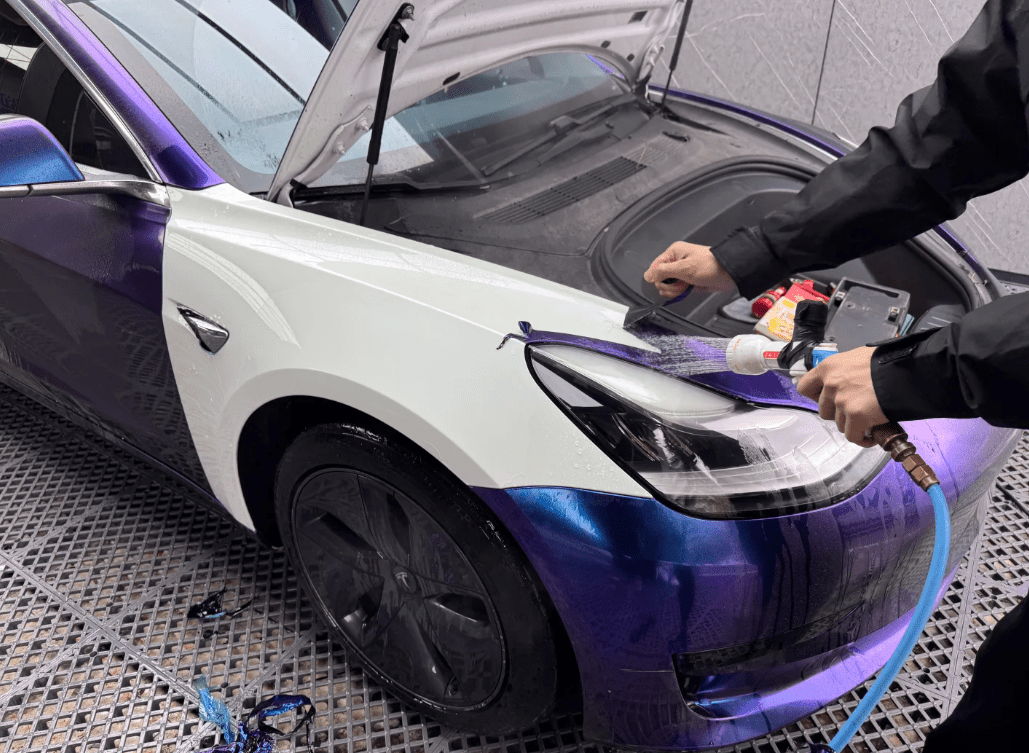
Removing a vinyl wrap is simple when the paint underneath is strong. I apply gentle heat to soften the adhesive and pull the vinyl back slowly in small sections. This reduces stress on the paint and keeps the adhesive from tearing. The leftover glue is easy to remove with safe adhesive removers that don’t harm clear coat. I never yank or rip the wrap off quickly—that’s how paint gets pulled up. A careful removal always leaves factory paint in great condition.

After working with so many wraps over the years, I’ve seen exactly when a vinyl wrap protects paint and when it can cause problems.Everything is depend on the condition of the paint and the prepwork and how to take care of the vinyl wrap after installation. When the car paint in originl, a vinyl wrap not only just can protect the car paint, but also can keep yur car like the fresh gloss as just buy it. If you are thinking about wrapping your car, pls make sure the car piant is the original, and need to let the someone who knows how to install and remove it the right way. A good quality vinyl wrap can transform your car and protect your car paint at the same time.
Will a vinyl wrap damage my car’s paint?
No, a vinyl wrap won’t harm healthy, factory paint. It acts as a protective layer, shielding the paint from sun, scratches, and debris. Damage usually only occurs if the paint underneath is already compromised or if the wrap is removed incorrectly.
How long does a vinyl wrap last?
On well-prepped, factory paint, a high-quality vinyl wrap typically lasts 5–7 years. On repainted or weaker surfaces, the lifespan can be shorter depending on the quality of the paint and how well the wrap is maintained.
Can I wash a wrapped car in an automatic car wash?
It’s best to avoid brushes in automatic car washes. Use a touchless car wash or hand wash with mild soap to prevent scratches, lifting, or edge damage. Quick attention to bird droppings, tree sap, and road debris is also important.
Can vinyl wrap hide existing paint damage?
A wrap can hide minor imperfections temporarily, but it cannot fix chips, cracks, or peeling paint. Wrapping over damaged areas may even worsen the problem over time.
Does wrapping a car protect the original paint?
Yes! A vinyl wrap shields the paint from UV rays, oxidation, minor scratches, and chemical stains, effectively keeping the factory finish looking fresh.