
In this guide, we look at the structure and function of PPF. We also see how different PPF finishes add style. Then I share how to choose the right PPF thickness based on need and daily driving habit. Finally, I share pro-level tips for PPF care to help extend its lifespan. Ready? Let’s dive in.
What is PPF
PPF is a transparent, thermoplastic polyurethane film applied to a vehicle's painted surface, acting as an "invisible shield" against scratches, rock chip, road debris, bug splatter, UV ray, and chemical contaminants (e.g., bird dropping, acid rain).Originally developed for military use (e.g., protecting helicopter blades), it has evolved into a mainstream automotive solution.

Structure of PPF film
Protective coating
The first line of defense for your car's paint lies in the outermost layer of the ppf film. which is in direct contact with the outside world.Its function is to prevent the penetration and erosion of foreign contaminant, provide excellent self-repair capabilities for scratche, and impart more vibrant gloss to the paint.
TPU Base Material
The main part of the PPF film is located between the coating layer and the adhesive layer. providing good light transmittance and toughness. It is a solid barrier that prevents the car paint from being scratched and damage. Maintains the original color of the paint.
Glue Coating
The PPF component help ensure a tight fit between the car cover and the paint, significantly impacting the cover's lifespan and paint safety. High quality glue offer low viscosity during application, allowing for repeated adjustment without leaving mark. Once the moisture evaporate, it maintain high hold adhesion, ensuring tight fit between the paint and the cover, preventing peeling and flake. Furthermore, the film is easily removed without leaving residual adhesive on the paint surface, ensuring greater paint safety.

Function and effect of PPF
Physical protection
- Anti-scratch: Resistant to physical damage such as flying stone, branches, and human scratched during daily driving.
- Anti-corrosion: Isolates acid rain, bird dropping, insect corpse, gum and other chemical corrosive substance, preventing the paint surface from oxidation and fading.
- Anti-yellowing: High quality TPU PPF can resist long-term exposure to ultraviolet rays and delay aging and yellowing (yellowing degree ≤ 10%).
Beautiful and value-preserving
- Improve car body brightness: gloss clear PPF can maintain the original car color and increase brightness by 30%.
- Cover defect: Cover up sun mark and minor scratches, and restore the paint surface of old car to its original state after applying film.
- Value preservation: Protect the integrity of the original paint and increases the car's secondary selling price.
Self-repairing and easy to clean
- Scratch self-healing: TPU PPF has thermal repair function, which can automatically repair minor scratch after heating.
- Hydrophobic and anti-fouling: Nano coating make the film surface smooth, rainwater slides off automatically, reducing the adhesion of stain

PPF Style AT Carlikewrap
Gloss ppf
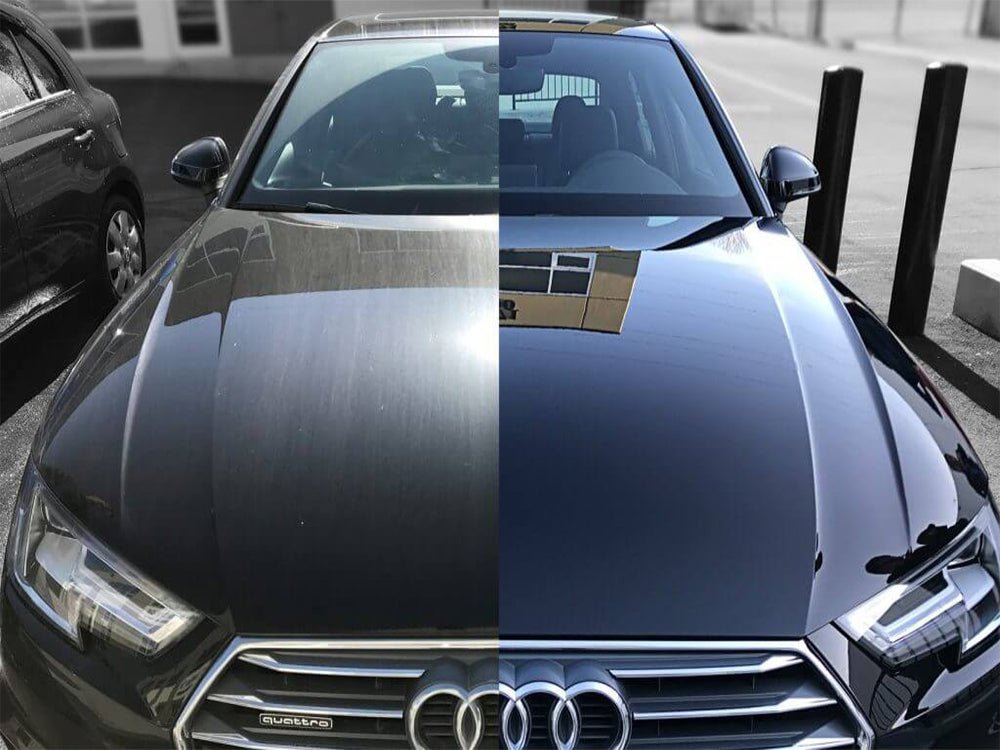
The film light transmittance is close to glass, highly clear design can almost restore the color of the car. At the same time, gloss ppf enhance the color saturation through optical refraction.making dark car paint such as red and black appear deeper.
satin ppf
The micron-level frosted surface.Under the refraction of light, matte film presents soft and delicate diffuse reflection effect, feels as smooth as silk. At the same time, the matte effect enhance the color saturation. making dark color car(eg: black and gray) more profound,Bright color car (eg: blue and red) more advanced.
Carbon fiber ppf
The surface adop micron-level weaving technology, which present 3D weaving texture under light, giving it a sense of technology.
Liquid ppf
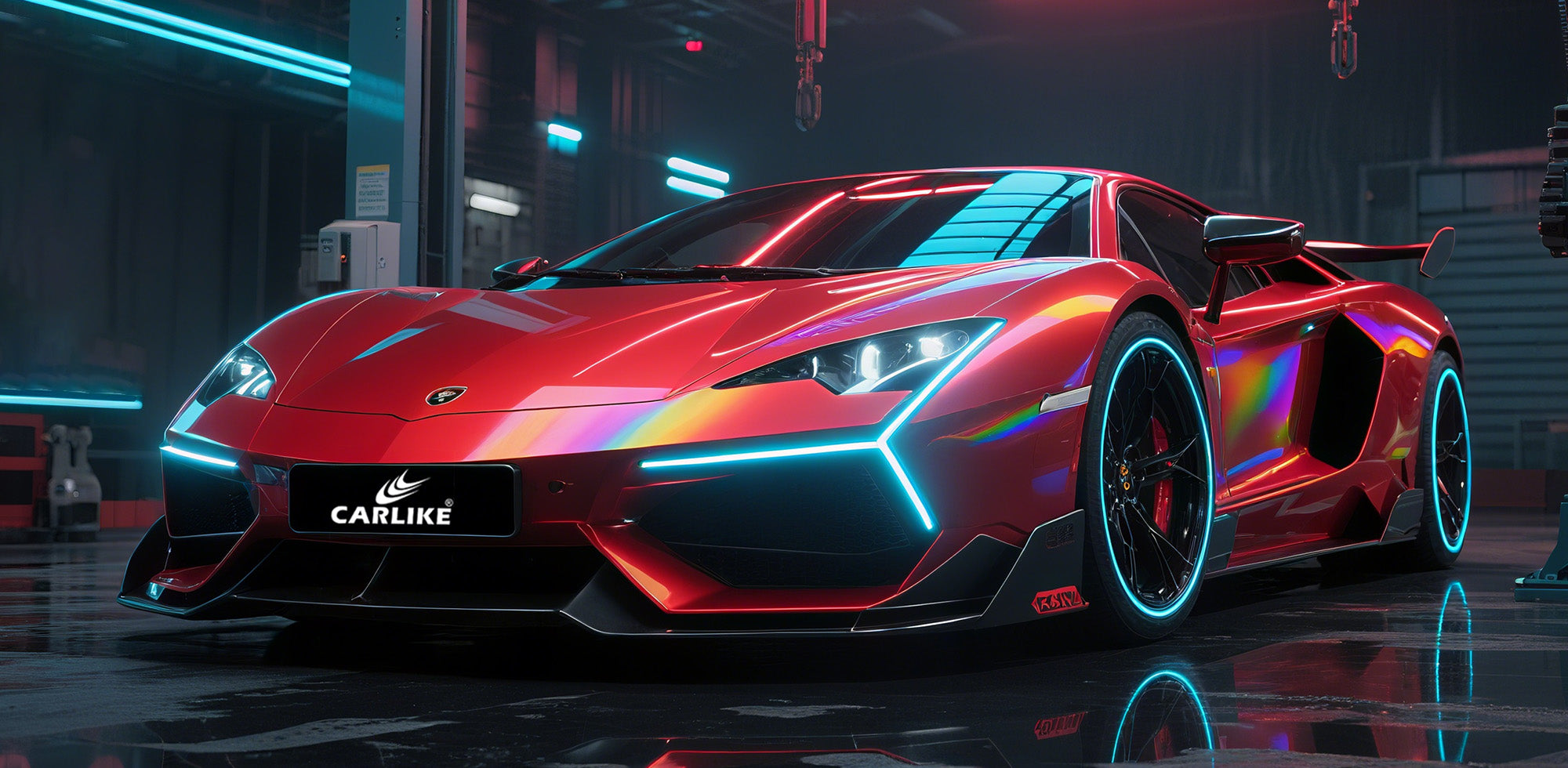
The high gloss metallic texture presents the flowing luster of liquid mercury under the light. When the light angle change, the silver base will refract blue-purple gradient glare, forming "chameleon" effect. especially under strong light, showing sense of science fiction.
Metallic ppf
Nano-scale metal ions are embedded in the surface, which presents flowing metallic luster under light and produces gradient glare as the viewing angle change.
Magic Candy PPF
Under different light angle, the film surface presents gradient transition from dark gray to violet. In low light appears to be low-key gray tone.When directly exposed to strong light, reflect metallic purple luster, creating dynamic visual effect like "chameleon".
How to choose the PPF for your car
| Thickness Level | Film Thickness | Key Features | Ideal Use | Protection Level | Extra Notes |
| 6.5 mil Basic Protection | 0.17 mm |
|
Daily city driving Low-risk areas |
★☆☆☆☆ |
Not recommended for bumper or hood |
| 7.5 mil All-Round Balanced Protection | 0.19 mm |
|
Urban & highway driving |
★★★☆☆ |
Best cost-performance ratio |
| 8.5 mil Enhanced Protection | 0.22 mm |
|
Frequent highway & off road Truck and SUV |
★★★★☆ |
Ideal for extreme cold climate |
| 10 mil Extreme Environment Protection | 0.25 mm |
|
Coastal, industrial, and off road Heavy duty vehicle |
★★★★★ |
Best choice for harsh environments |

Tips for Caring for PPF
- Clean it every 2 weeks to avoid dirt accumulation affecting hydrophobicity.
- Use water-soluble coating agent every 3 months to restore the hydrophobic angle to >110°.
- Use microfiber cloth, soft sponge, or car wash mitt,Do not use rough tool such as hard brush and steel balls to avoid scratching the film surface.
- Use neutral car wash with PH value of 6 to 8. Do not use containing ammonia, alcohol,or strong acid or alkaline products.
- Choose cool place when parking your car. Long-term direct exposure to ultraviolet rays will accelerate the oxidation and yellowing of the TPU substrate.
- Check the edge of the membrane every month to see if it is warped (>5mm needs to be repaired), and clean the seams with soft brush in time.
Want your car’s paint to stay flawless for years? Discover how PPF works, its benefits, and which type is right for you — read the full guide now.
What is PPF?
Paint Protection Film (PPF) is transparent polyurethane layer applied to your car’s paint. It protect against scratche, rock chip, UV ray, and chemical damage while enhancing gloss and preserving value.
How does PPF work?
PPF has three layers — a protective top coat, TPU base, and adhesive. Together, they provide durability, self-healing against minor scratch, and hydrophobic surface that repel dirt and water.
What are the benefits of PPF?
PPF offer scratch resistance, UV protection, stain resistance, self-healing, hydrophobic properties, improved gloss, and better resale value by preserving your car’s original paint.
What styles of PPF are available?
Common finishes include gloss, matte, carbon fiber, metallic, liquid, and “magic candy” effects. Each protects your car while changing or enhancing its appearance.
How long does PPF last?
With proper care, high-quality PPF typically lasts 5–10 years, depending on environmental conditions and film thickness.
Is PPF better than ceramic coating?
PPF provides physical protection against scratches and chip, while ceramic coating mainly enhances shine and hydrophobicity. Many car owners use both together for maximum protection.

Carlikewrap
Carlikewrap have over 20 years of experience in the Adhesive Vinyl Films industry. For the past 20 years, we have been providing our customers with quality products and services that exceed expectations.