
Table of content
Automotive Film
The Chinese automotive aftermarket has witnessed remarkable transformation over the past decade, with one segment in particular experiencing unprecedented growth: automotive film and window tinting. According to comprehensive research by the China Research Institute of Industry and Commerce, this once-niche market has evolved into a multi-billion yuan powerhouse, with growth trajectories that would make any investor take notice.

From 60.4 Billion to Nearly 150 Billion: A Market in Overdrive
The numbers tell a compelling story. In 2016, China's automotive film market was valued at approximately 60.4 billion yuan—a substantial figure by any measure. Fast forward to 2020, and that number had surged to 878 billion yuan, representing a robust compound annual growth rate (CAGR) of 7.8% over five years. But this is merely the beginning. Industry projections suggest the market will continue its meteoric rise, reaching an astounding 1,486 billion yuan by 2026.To put this in perspective, the market is expected to more than double in size within just six years, growing at a pace that far exceeds many traditional automotive sectors. This expansion isn't just numerical—it represents fundamental shifts in consumer behavior, technological advancement, and market dynamics that are reshaping how Chinese vehicle owners approach car care and customization.
The Perfect Storm: Factors Driving Growth
Several converging factors have created what industry analysts describe as a "perfect storm" for automotive film market expansion. First and foremost is China's explosive vehicle ownership growth. The country has consistently ranked as the world's largest automotive market, with over 300 million vehicles on the road as of 2024. This massive vehicle parc provides an enormous addressable market for automotive films.However, sheer numbers alone don't explain the dramatic growth. The real catalyst has been the emergence of Generation Z consumers—digital natives born between 1997 and 2012—who are approaching vehicle ownership with fundamentally different priorities than their predecessors. These young consumers view their vehicles not merely as transportation tools but as extensions of their personal identity and lifestyle.For Gen Z car owners, automotive films represent the perfect intersection of practicality and personalization. They offer tangible benefits like UV protection, heat reduction, and interior preservation while simultaneously providing aesthetic enhancement opportunities that allow vehicles to stand out in an increasingly crowded automotive landscape.
Products we recommend

Beyond Basic Protection: The Evolution of Consumer Demands
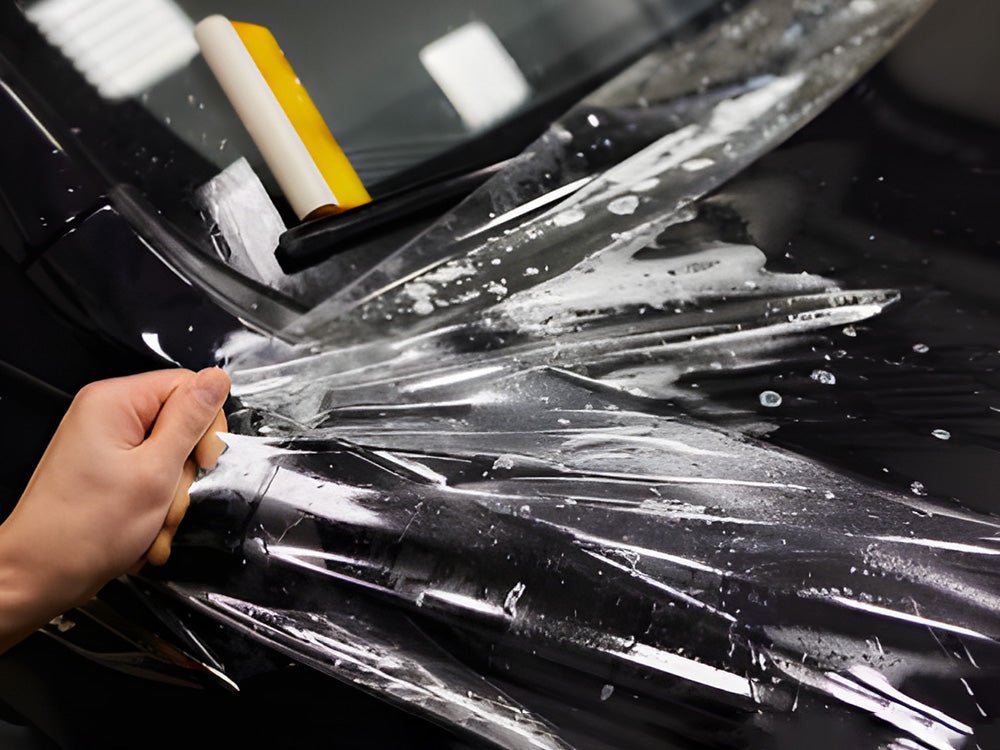
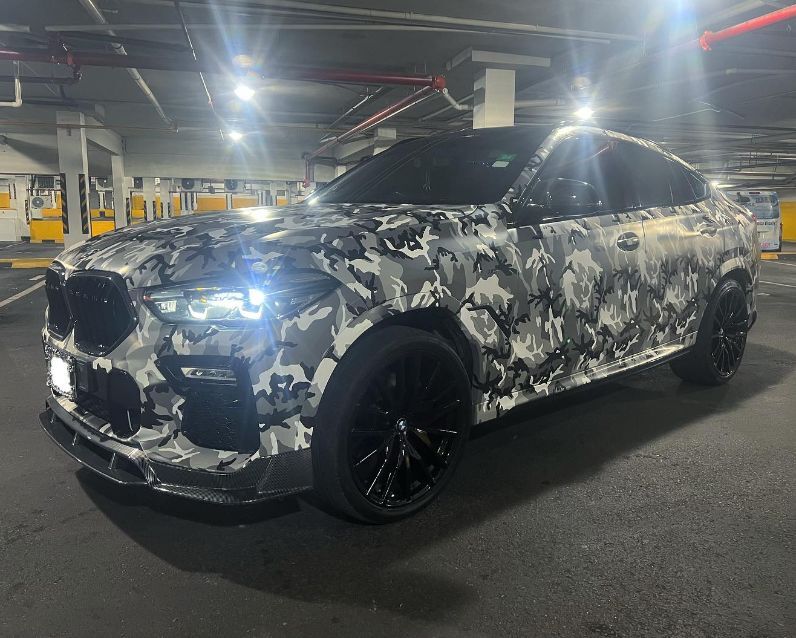
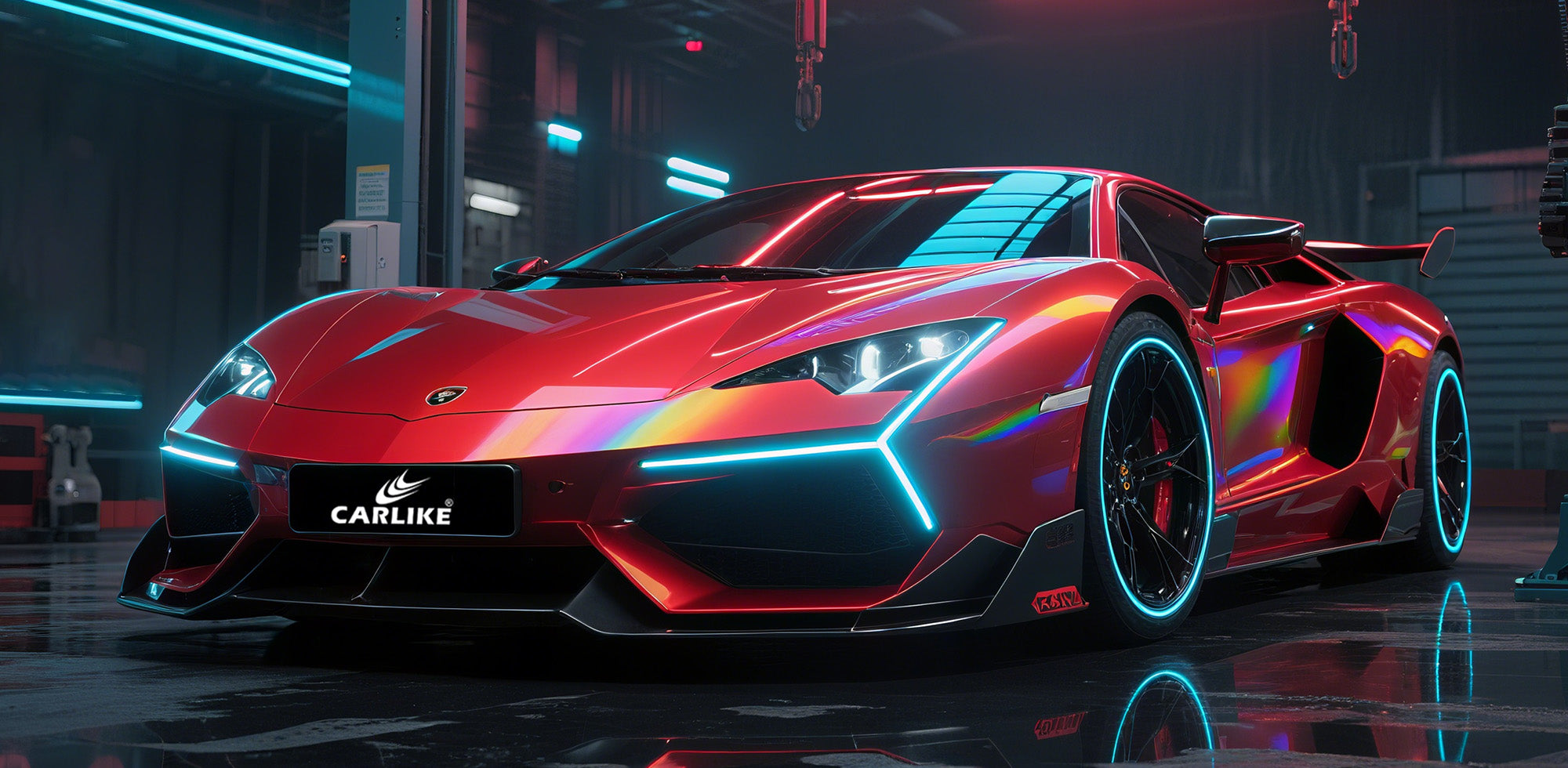
The modern Chinese consumer's relationship with automotive films has evolved far beyond basic window tinting. Today's market encompasses a sophisticated ecosystem of products serving multiple functions. Premium ceramic films that block up to 99% of harmful UV rays while maintaining crystal-clear visibility have become increasingly popular among health-conscious consumers.Paint protection films (PPF) represent another rapidly growing segment, particularly among owners of luxury and premium vehicles. These virtually invisible polyurethane films protect vehicle paint from stone chips, scratches, and environmental contaminants while maintaining the original paint's appearance. As Chinese consumers become more sophisticated in their car care approach, PPF adoption rates have skyrocketed.The aesthetic customization trend has also fueled demand for colored and textured films that transform vehicle appearance without permanent modification. From matte black finishes to chrome deletes and color-changing wraps, these products appeal to consumers who view their vehicles as canvases for personal expression.
Technology and Innovation: The Competitive Battleground
The rapid market expansion has intensified competition among domestic and international manufacturers, driving significant technological innovation. Chinese companies have invested heavily in research and development, resulting in proprietary technologies that rival established international brands.Advanced nano-ceramic technologies, self-healing properties, and improved optical clarity represent just the beginning of innovation waves washing over the industry. Some manufacturers have developed films with embedded smart technologies, including embedded antennas for improved connectivity and films that can adjust their tint level based on ambient light conditions.The integration of artificial intelligence and IoT capabilities is beginning to emerge, with smart films that can communicate with vehicle systems to optimize energy efficiency and passenger comfort. These technological advances not only improve product performance but also create new premium pricing tiers that contribute to overall market value growth.
Products we recommend

Distribution Revolution: From Traditional to Digital-First
The distribution landscape has undergone its own transformation, reflecting broader changes in Chinese retail patterns. Traditional automotive aftermarket channels—specialty shops, 4S dealerships, and independent installers—remain important but increasingly share market space with digital-native approaches.E-commerce platforms have become crucial market entry points, particularly for younger consumers who research and purchase products online before scheduling professional installation. This digital-first approach has enabled new market entrants to establish brand presence without extensive physical retail networks.Mobile installation services represent another innovation, bringing professional film application directly to consumers' homes or workplaces. This convenience factor has proven particularly appealing to busy urban professionals who value time efficiency.
Regional Dynamics: Beyond Tier-1 Cities
While Beijing, Shanghai, and Guangzhou initially dominated automotive film consumption, growth patterns have shifted significantly. Tier-2 and Tier-3 cities are experiencing faster growth rates as vehicle ownership penetrates deeper into China's urban hierarchy.These emerging markets often demonstrate different consumption patterns, with price sensitivity playing a more significant role in purchasing decisions. However, they also represent enormous untapped potential, with millions of new vehicle owners discovering automotive films for the first time.The development of regional distribution networks and localized marketing approaches has been crucial for capturing these opportunities. Manufacturers and retailers who understand local preferences and build appropriate service capabilities are positioned to benefit disproportionately from this geographic expansion.
Products we recommend

Challenges and Opportunities: The Road Ahead
Despite optimistic growth projections, the industry faces several challenges that could influence future development. Regulatory changes regarding vehicle modification and window tinting darkness levels could impact product specifications and market demand. Additionally, increasing environmental consciousness may drive demand for more sustainable film materials and installation processes.The market's rapid expansion has also attracted numerous new entrants, intensifying price competition and potentially compressing profit margins. Quality control becomes increasingly critical as lower-priced alternatives enter the market, risking consumer satisfaction and industry reputation.However, these challenges also create opportunities for differentiation and value creation. Companies that invest in premium product development, superior installation services, and strong brand building are likely to capture disproportionate market share as the industry matures.
Products we recommend
Conclusion
As China's automotive film market approaches the projected 1,486 billion yuan milestone by 2026, it represents more than just impressive financial metrics. The industry's evolution reflects broader themes of Chinese consumer sophistication, technological advancement, and market maturation that characterize the country's economic development.The convergence of growing vehicle ownership, generational change, technological innovation, and evolving consumer preferences has created a market opportunity that extends far beyond simple window tinting. As we look toward 2026 and beyond, China's automotive film industry stands as a testament to how quickly and dramatically consumer markets can transform in the world's most dynamic economy.For industry participants, investors, and observers alike, this market offers valuable insights into the future of automotive aftermarket industries globally. The innovations, business models, and consumer behaviors emerging in China today may well define automotive film industry standards worldwide tomorrow.

The Author : CARLIKEWRAP
CARLIKE ® launched in 2012, mainly focus on premium car wrapping vinyls, with rich colors and stylish designs. High performance with economic price is always the persuit of CARLIKE ®.CARLIKE-Make Your Car Special.
Questions
What was the market size of China's automotive film industry in 2016?
Answer
What is the projected market size for China's automotive film market by 2026?
Answer
What generation of consumers is driving the demand for vehicle personalization and protection?
Answer
What is the compound annual growth rate (CAGR) of China's automotive film market from 2016-2020?
Answer