
Table of content
Color change wrap
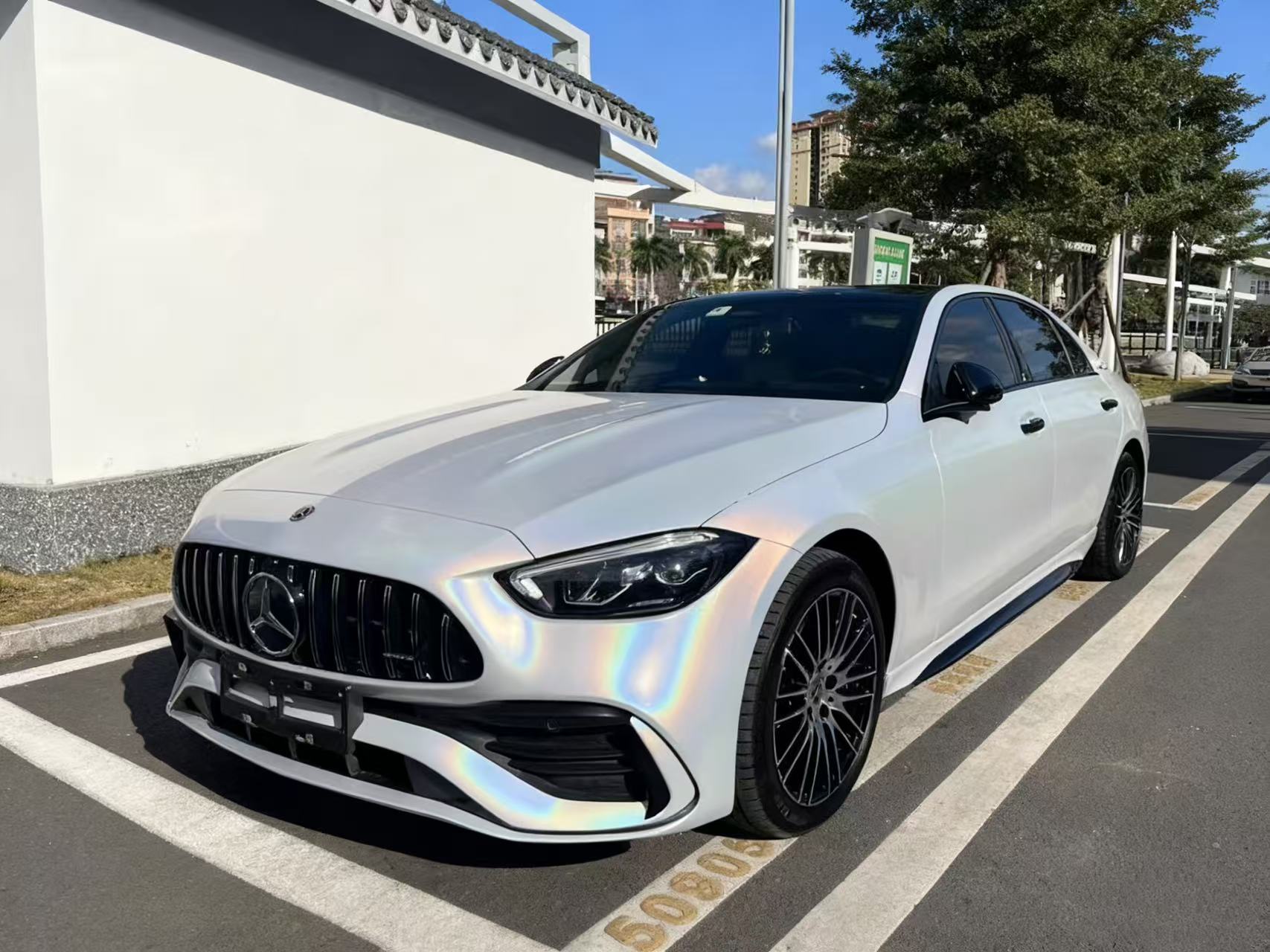
In the world of automotive customization, color change wraps have emerged as a game-changer, offering car owners a non-permanent way to transform their vehicle's appearance while protecting the original paint. However, not every car is equally suited for this treatment. Whether you're driving a sleek sports car, a rugged SUV, or a classic vintage model, several factors determine how well your vehicle will adapt to a wrap. Here’s a comprehensive guide to help you assess if your car is a good candidate for a color change wrap.

1. Vehicle Type and Design
The first consideration is your car's design. Vehicles with complex curves and intricate body lines, such as the Tesla Model S or BMW i8, require high-quality wraps that can conform seamlessly to these contours without leaving unsightly wrinkles or air bubbles. For these models, opting for a wrap designed with precise cutting patterns ensures a flawless finish. On the other hand, cars with simpler shapes, like the Toyota Camry or Honda Civic, are generally easier to wrap and may not need specialized materials.
2. Original Paint Condition
Before applying a wrap, the condition of your car's original paint is crucial. A smooth, clean surface free from deep scratches, rust, or peeling paint is ideal. Wrapping over damaged paint can accentuate imperfections, leading to a less-than-perfect finish. If your car has minor scratches, consider buffing them out before wrapping. For more severe damage, a professional paint correction might be necessary to ensure the wrap adheres properly and looks its best.
Products we recommend

3. Material Choice
Selecting the right wrap material is essential for durability and aesthetics. The market offers several options, each with unique benefits:
- PVC Wraps : Affordable and available in a wide range of colors, PVC wraps are great for short-term use. They are easy to install and remove, making them ideal for those who enjoy changing their car's look frequently. However, they are less durable and more prone to fading or cracking over time.
- TPU Wraps : For long-term protection, TPU (Thermoplastic Polyurethane) wraps are the superior choice. They offer better resistance against scratches, UV rays, and environmental elements, ensuring your car's paint remains pristine underneath. TPU wraps also provide self-healing properties, where minor scratches can disappear with heat.
- PET Wraps : These are a middle-ground option, offering a balance between cost and durability. They are more resistant to weather than PVC but not as robust as TPU.
4. Intended Use and Lifestyle
Your driving habits and environment play a significant role in determining the suitability of a wrap. If you frequently drive on rough roads or in areas with harsh weather conditions, a durable TPU wrap is recommended to protect your car from stone chips, salt, and other hazards. Conversely, if your car is mostly used in urban settings with moderate weather, a PVC wrap might suffice.
Products we recommend

5. Personal Style and Aesthetic Goals
Wrapping your car is a fantastic way to express your personality. Whether you prefer a subtle matte black for a sophisticated look or a vibrant color like electric blue for a bold statement, there's a wrap for every style. Consider how the color complements your car's design and your personal taste. A well-chosen wrap can enhance your vehicle's appeal and make it stand out in the crowd.
6. Maintenance and Care
Maintaining a wrapped car is relatively straightforward but requires attention to detail. Regular washing with mild soap and water is essential to keep the wrap looking fresh. Avoid using abrasive cleaners or tools that can damage the material. Additionally, parking in shaded areas can prolong the wrap's life by reducing exposure to harsh sunlight.
Products we recommend

7. Budget Considerations
Wrapping your car can be a significant investment, so it's important to align your choice with your budget. While PVC wraps are more budget-friendly, they may not offer the longevity or protection of TPU wrap. Weighing the initial cost against long-term benefits can help you make an informed decision.
8. Professional Installation
The quality of installation significantly impacts the final result. A poorly applied wrap can lead to bubbles, wrinkles, or premature peeling. Opting for professional installers ensures a smooth, durable finish that enhances your car's appearance and protects its paint.
Products we recommend
Conclusion
Deciding whether your car is suitable for a color change wrap involves evaluating several factors, from your vehicle's design and paint condition to your personal style and budget. By considering these elements, you can choose a wrap that not only looks stunning but also provides lasting protection for your beloved car. Whether you're aiming for a sleek, understated look or a vibrant, eye-catching design, a well-chosen wrap can elevate your driving experience and keep your car looking its best for years to come.

The Author :Carlikewrap
CARLIKE ® launched in 2012, mainly focus on premium car wrapping vinyls, with rich colors and stylish designs. High performance with economic price is always the persuit of CARLIKE ®.CARLIKE-Make Your Car Special.
Questions
What type of car paint condition is best for applying a color change wrap?
Answer
Which material is more durable and long-lasting: PVC or TPU wrap?
Answer
Why is TPU wrap a good choice for electric vehicles?
Answer
Do you need to register your car with authorities after changing its color with a wrap?
Answer